Wallick has promoted Jeannie Clayton to senior vice president of asset management, where she will “refine” the Asset Management Division’s function as owner's representative and financial steward, according to a press release shared with Multifamily Dive.
New Albany, Ohio-headquartered Wallick develops and operates affordable, workforce and senior living housing, primarily in the Midwest, according to its website. Clayton brings almost 25 years of real estate closing and management experience to the new role.
Clayton joined employee-owned Wallick in 2015 and has since played a crucial role in growing the Asset Management team and enhancing the firm’s closing and management processes, according to the release.
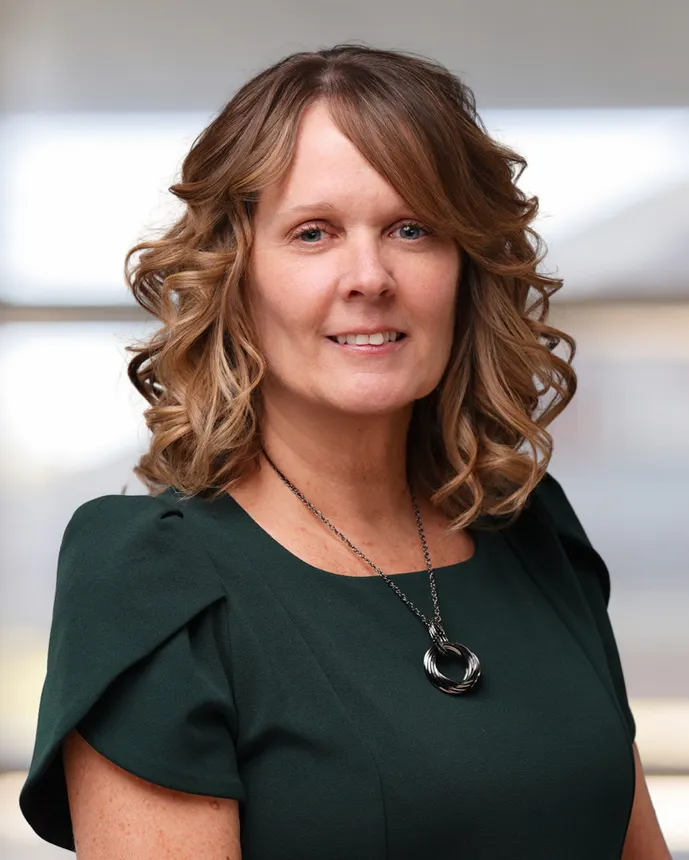
Previously, she was a paralegal in Wallick’s Asset Management Department as well as a real estate specialist, senior closing manager and director of acquisitions in its Asset Management and Development divisions. Before joining Wallick, Clayton spent 14 years working for Shafer Law Offices/Ohio Title Johnstown Agency as a paralegal and real estate title agent.
In her new position, Clayton said she will work closely with internal teams to optimize property performance, preserve affordable housing resources, identify opportunities for long-term growth and otherwise “position Wallick for continued success in an evolving affordable housing environment.”
“A significant part of my focus will be ensuring that our communities remain financially sustainable while continuing to deliver safe, quality housing for residents,” Clayton said.
One of the biggest challenges affordable developers face right now is the growing complexity of affordable housing transactions, Clayton told Multifamily Dive in emailed comments.
“Rising operating expenses, insurance costs, property taxes, and capital improvement needs continue to put pressure on existing affordable housing communities,” Clayton said. “At the same time, many properties are reaching an age where significant reinvestment is necessary to maintain quality housing for residents while preserving long-term affordability.”
Nonetheless, there are also “tremendous” opportunities, according to Clayton. She is seeing greater collaboration among developers, financial partners, housing agencies and communities “to find creative solutions that extend affordability while improving resident quality of life.”
“I believe the future of affordable housing will require innovation, collaboration, and persistence,” Clayton said. “Preservation has become an increasingly important part of addressing the affordable housing crisis because it is often more cost-effective to preserve existing affordable housing than to build new units from the ground up.”
Click here to sign up to receive multifamily and apartment news like this article in your inbox every weekday.