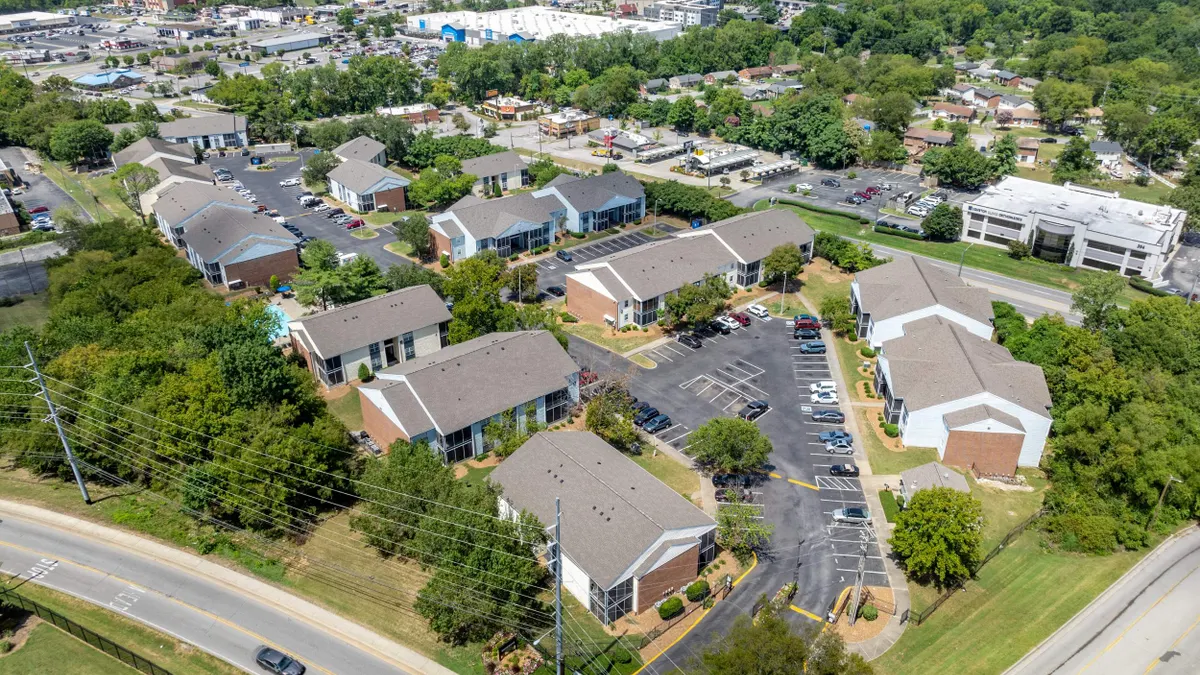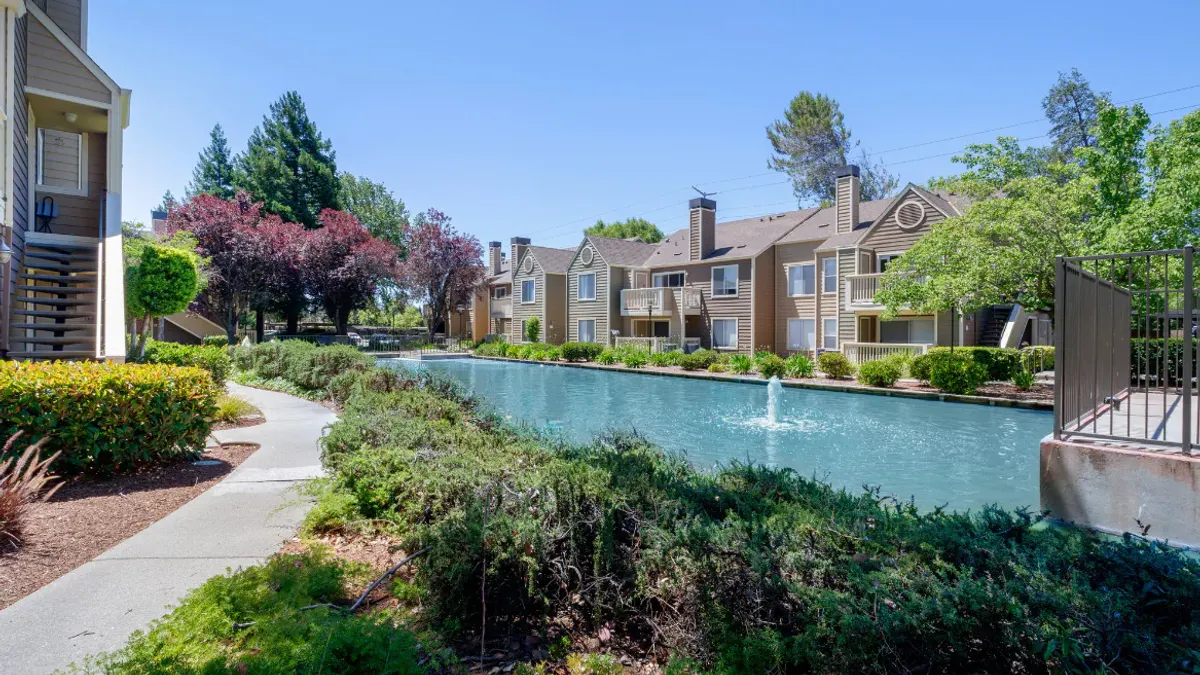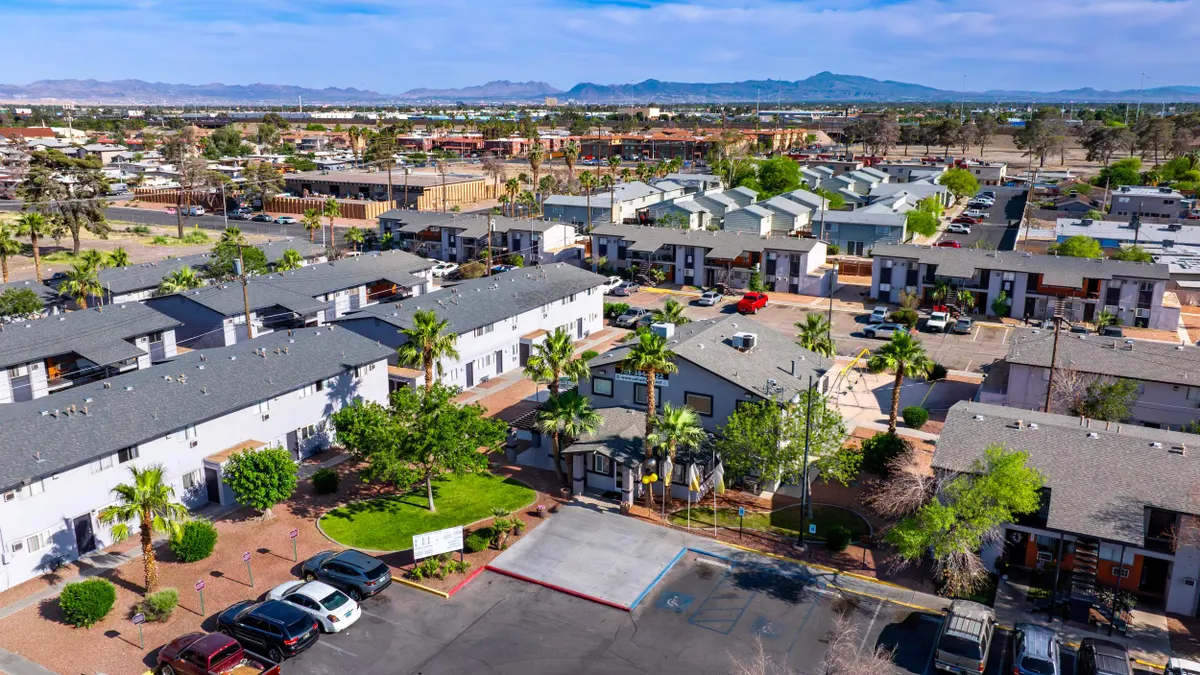
Post Real Estate Group has a distinct approach to developing affordable housing: The Beverly Hills, California-based firm converts market-rate units to affordable ones mainly via tax-exemptions and other strategies, using minimal government subsidies.
Overall, affordable housing development has become increasingly challenging, Post Real Estate Group Founder and CEO Jason Post told Multifamily Dive.
“It’s gotten much harder as a result of costs going up and people needing disparate funding sources, and every funding source comes with a requirement,” Post said. “Everything’s more complex.”
Established in 2007, Post bought up a lot of distressed housing amid the Great Financial Crisis, and has since iterated on its investment strategies. The firm currently owns more than 34,600 units across 154 affordable assets, and is one of the most active converters of market-to-affordable in the country, he said. The most prominent markets Post is working in right now are Washington state, California, New Mexico, Florida, Georgia and South Carolina, as well as some in Texas.
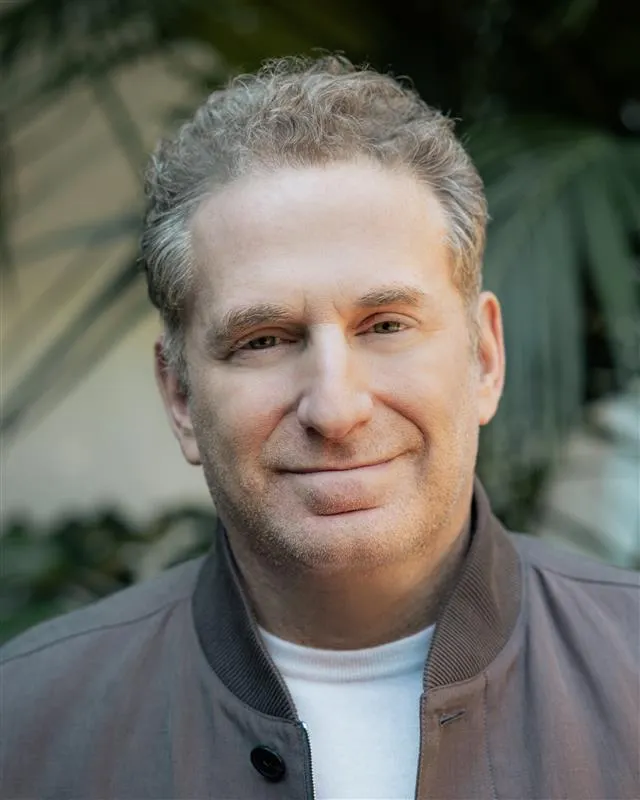
“We will have done this on well over $1.5 billion worth of real estate. We’ll have converted, this year alone, over 7,500 units from market-rate to affordable,” Post said. “So we’ve been able to persevere, even in this environment.”
Here, Multifamily Dive talks with Post about converting market-rate housing, affordable development challenges and managing NIMBYism.
This interview has been edited for brevity and clarity.
MULTIFAMILY DIVE: What are some of the challenges to developing affordable housing right now?
JASON POST: The reason affordable housing development costs so much is because everybody wants something, in terms of requirements for getting these funding sources. As you layer a funding source on top, it creates the need for another funding source because the layer below you wants deeper affordability, wants social services. So that has definitely driven pricing up for affordable housing.
It’s just really hard to financially make sense, in this environment, to build ground-up. The building costs, and the carry costs, which are a function of financing, and the uncertain economic outlook, it just makes the capital stack prohibitively expensive to build new.
One of the things we’re really creative in doing is public-private partnerships — leveraging our relationships with Fannie Mae, Freddie Mac and HUD; working in the world of tax-exempt bond finance. We’ve created a really interesting solution where the private sector will enable nonprofits and governmental entities to create much-needed conversion of market to affordable through the bond sector. It’s difficult, but we as an organization remain very active.
How does your firm approach affordable housing development?
What differentiates our business is that we use as few government resources as humanly possible. Very few. We’re in the business mostly of converting existing market-rate communities into affordable housing.
We typically stay away from that stacked layer of all that soft debt; we typically don’t touch that. It comes with too many strings and it makes the housing too prohibitive to develop. We try to stay away from tax credit finance because we don’t need it. We tend to tap into the tax-exempt bond markets to create affordable housing as well as a lot of public-private partnerships where we can get property tax exemptions.
When we convert existing, we’re in this for the long-haul. We’re doing this with 15- to 55-year, and some cases even longer, restrictive agreements or covenants. We’re taking advantage of time in the market where we’re able to acquire properties favorably to us today, knowing that we’re locking in good basis, good pricing, good capital stacks, such that we can create and preserve this housing for the very long haul.
It’s very hard to do this in an environment where interest rates are really low, and there’s a lot of people doing market-rate properties. It’s very hard to compete with those guys. Since we’re not competing with them today, we can actually do this today with a vision toward the future.
How do you address local opposition when you’re trying to bring affordable housing into a community?
We always like to keep the communication going with local communities so they really understand what we’re trying to accomplish, and why they should support us. There’s always skepticism, so we do a lot of follow-ups. We ask people to trust us, but verify. It’s a lot of community outreach, and communication, that’s the key.
We do a lot of work with formerly incarcerated individuals — it’s my passion. I work with the Anti-Recidivism Coalition, and we do a lot of post-prison housing and social services. And that’s where we come in: on the housing side, partnering with social service organizations.
We did a project in Birmingham, Alabama, and I cannot even tell you the backlash to that. It’s gotten really quiet, I think the neighbors started to realize that these are people who have actually turned their lives around, there’s structure and support for these individuals. The individuals that live in all of our communities are on a very short leash to be removed, literally go back to prison, if they do something bad. So they’re like the greatest tenants you can have — the greatest neighbors you can have actually. They go out of their way to work with the community.
How do you draw tenants to your properties?
On a 60% AMI unit in Texas, they don’t even want to go there, because they can go to a market-rate property. The rents are the same and they don’t have the stigma of being in an affordable community, and they don’t have to go through the paperwork. That’s today, but that changes.
In cities like Los Angeles and San Jose, California, where we’re super active and own a ton of communities, our occupancies on our 60% AMI units are always full. Those tenants are phenomenal. They don’t want to lose those units, they pay their rent and it’s a great win because the rents are so far below market. We’re limited in how much we can increase those every year, so it’s a slow and steady growth over time.
What else is impacting affordable development at the moment?
The biggest hurdle today is going to be your financing, financing anything coming out of the ground.
Short-term interest rates are up, and they may continue to go up, and long-term interest rates are up. So there are some structural issues in our country right now relating to how much debt costs. Anytime debt’s elevated, it’s going to be hard to pencil anything in housing, whether that’s the creation of affordable housing or the creation of much-needed market-rate housing, or the ability to build homes and sell homes.
In the tax credit world, it’s really hard to finance anything because tax credit pricing is really low, interest rates are really high and, nationally speaking, you have a lot of softness in fundamentals, so there’s a lot of uncertainty, so people need risk premiums. So, putting together a financing capital stack today is challenging.
What kinds of policies have proven helpful in improving affordability?
In Texas, they don’t have an affordable housing problem. They’ve had affordable housing problems, but they built their way out of it because they allowed market-rate developers to build whatever they want to build. Literally. You’ve got markets like Houston where there’s literally no zoning, and you’ve got places like Dallas where they’ll just build for days, and rents have come down.
We own a lot of deep affordable properties in Texas, out of the Great Recession we started buying those. The rents at our properties at that time, after the GFC, were way lower than we were legally able to charge. Our 60% area median income rents were very low because there was so much supply.
Cut to five years later, there was no development happening so supply burned down. We were in this period of time where our rents were way below market, they’re at the most we can charge, and market rents go through the roof because there’s no new supply. We’re back in the situation today where our 60% AMI rents are below what the market charges for their market-rate properties because they built their way out of a crisis. We’ve been quite active in Texas in the past, but right now, they don’t really need us.
So right now things might be ok — I know it doesn’t feel that way to people — but we’re not seeing inflationary pressures drive up rents, we’re seeing it drive up other costs. But we will see inflationary pressures drive up rents again, it’s just a function of where all of this supply is absorbed, and it takes years. Which is why we put these long-duration restrictive covenants on properties, because we’re thinking forward.
Click here to sign up to receive multifamily and apartment news like this article in your inbox every weekday.