Dive Brief:
- Progress Residential and its owner, Pretium Partners, will pay $49.75 million to settle charges brought by the Federal Trade Commission and four states that the rental firms misled consumers with deceptive rental pricing practices, per an agency release. This marks the largest enforcement action taken against a landlord in the agency’s history. The agreement contains no admission of wrongdoing.
- In addition, Progress will be required to prominently advertise the “true total monthly rental price,” including all mandatory recurring fees, according to the release. The firm, which manages single-family rentals, townhomes and build-to-rent communities, said it has redesigned its fee disclosure practices and made other changes.
- “We maintain Progress’ practices have been transparent, fair, and consistent with industry practice,” a Progress Residential spokesperson told Multifamily Dive in emailed comments. “Although we disagree with the FTC’s claims, this resolution allows us to move forward with our mission of expanding access to quality, affordable rental housing.”
Dive Insight:
The FTC and Arizona, Colorado, Indiana and Utah alleged that Pretium and Progress “advertised false rental prices, charged hidden fees, failed to inspect homes before residents moved in, improperly deducted amounts from renters’ security deposits, restricted negative reviews, and failed to provide adequate customer service” from 2021 to 2025, per the release.
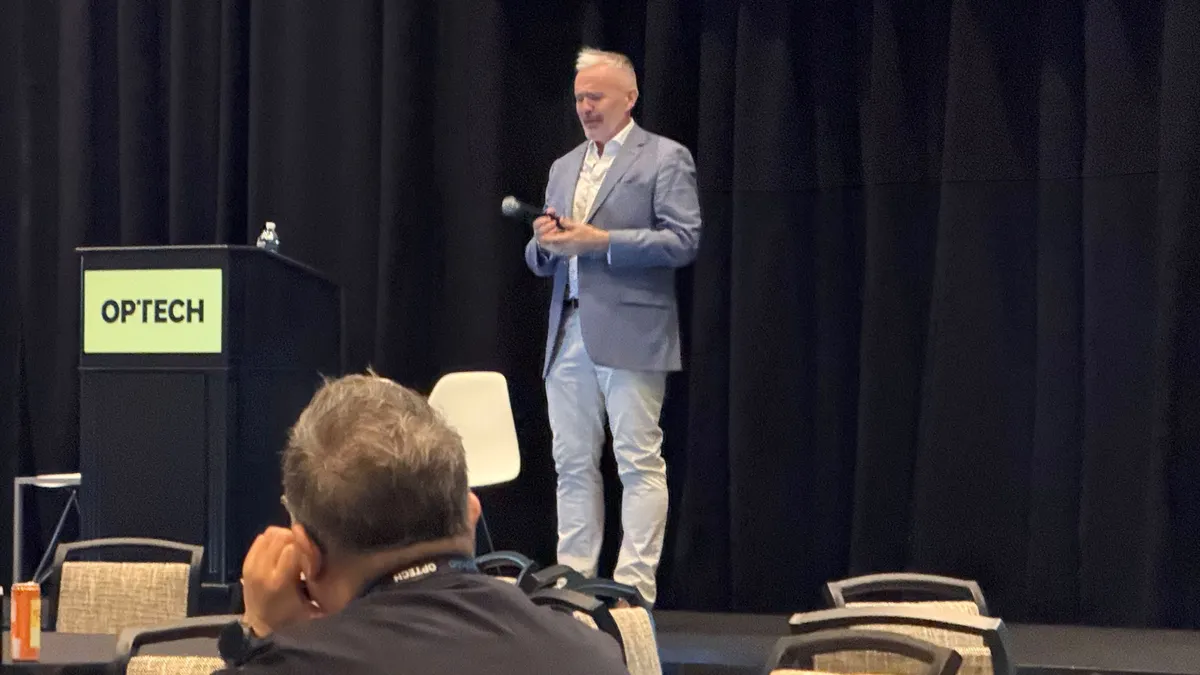
Rental housing operators need to be prepared for high levels of scrutiny regarding their digital tools going forward, according to Anthony Paganucci, founder and CEO of Brynson, a multifamily compliance and intelligence platform.
“This has now become a trend, and our industry is in the spotlight, like big time,” Paganucci told Multifamily Dive. “Regulators are going to be going after these big firms because the target is on their back. Right now, everyone's being looked at.”
The FTC is currently working on a nationwide rule regarding rental housing fee practices. The agency sought public comment on a proposed rulemaking in March, saying, “the failure to advertise the true total rent limits consumers’ ability to make informed financial decisions, increasing their search costs and exposing them to other negative monetary consequences when they take on more rent than they can afford.”
That notice came in the wake of two other major settlements with housing operators.
Invitation Homes agreed to pay $48 million in 2024 to settle allegations that it excluded mandatory fees from the advertised rent. At the end of 2025, Greystar was ordered to change its fee disclosure practices and pay $24 million to settle an FTC and state of Colorado lawsuit.
Meanwhile, jurisdictions are passing their own laws regarding rental fee transparency and upping enforcement.
Seattle passed an ordinance in August that requires clear, upfront pricing for tenants, expands investigative authority and strengthens enforcement. In October, Baltimore sued RentCafe, Yardi and Pennrose Management Co., claiming they charged tenants hidden fees to pay rent in violation of the city’s Consumer Protection Ordinance.
That growing patchwork of laws is making compliance more difficult for apartment operators, according to Paganucci.
“Compliance is just not a one-time fix. It's an ongoing thing,” Paganucci said. “I think one of the biggest things we have to do as an industry is really work together and unify and figure out how can we make sure that all of this transparency we're supposed to have is consistent across the board.”
Click here to sign up to receive multifamily and apartment news like this article in your inbox every weekday.