Dive Brief:
- Greystar agreed Tuesday to pay $24 million to settle a civil lawsuit initiated by the Federal Trade Commission and Colorado attorney general in January, alleging that the country’s largest landlord misled consumers about monthly rent costs by adding hidden fees on top of advertised prices, the parties involved with the suit announced.
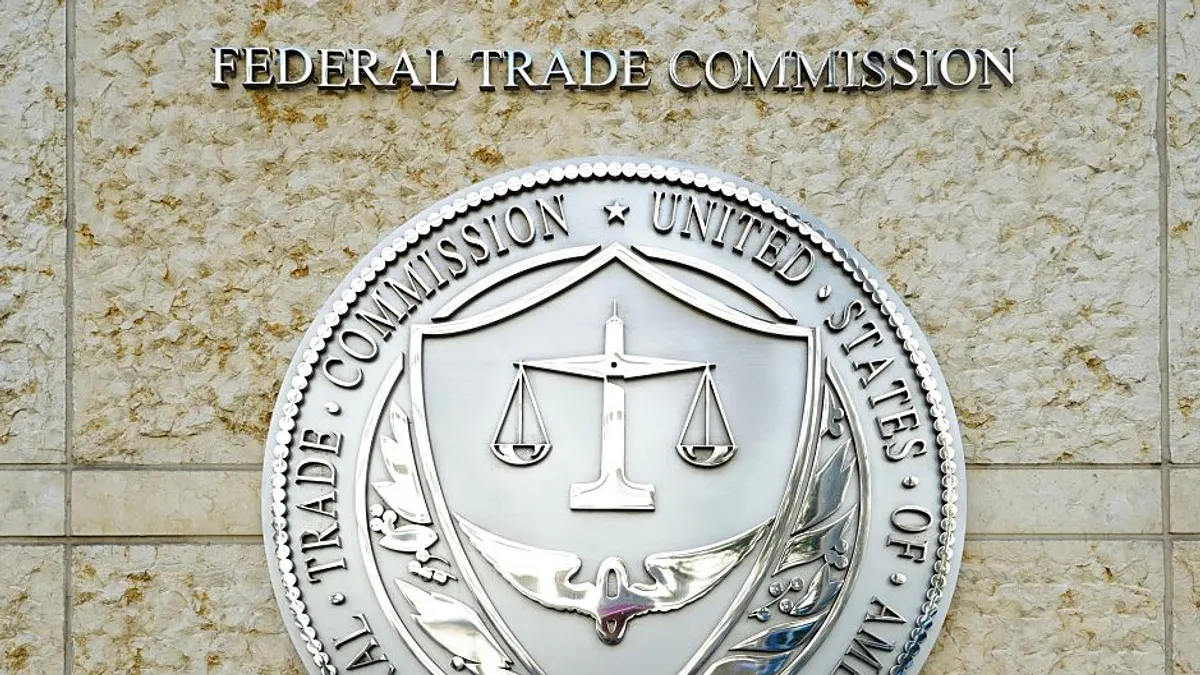
- Per the settlement, the multifamily giant will pay $23 million to the FTC and $1 million to the state of Colorado and “stop its deceptive advertising practices,” the agency said in a Dec. 2 press release. Greystar is also now prohibited from requiring tenants to make an initial payment without disclosing all pricing information upfront, and it must comply with reporting and record-keeping requirements.
- Charleston, South Carolina-based Greystar said in a press release that the settlement “provides much-needed clarity on the FTC’s expectations for advertising rental housing,” namely, that listings clearly and conspicuously display the Total Monthly Leasing Price, including base rent and all mandatory fees.
Dive Insight:
The FTC’s Consumer Protection Bureau investigation found that since 2019, Greystar failed to adequately disclose mandatory recurring fees for things such as pest control, valet trash service, package concierge service, utility administration and certain amenities. Prospective tenants often could not see the charges or the total amount they were required to pay until they received the lease and usually after they paid a nonrefundable application fee.
The FTC and state of Colorado alleged that Greystar misrepresented the true cost of renting its units by displaying a deceptively low price that excluded those fees in violation of the FTC Act, the Gramm-Leach-Bliley Act and the Colorado Consumer Protection Act.
The Trump administration views with “especial suspicion” predatory conduct by rental and leasing firms, FTC Chairman Andrew Ferguson said in a Dec. 2 concurring statement.
“The Commission’s work on this case has revealed that the problem involving misleading pricing representations in America’s rental markets is not limited to Greystar, and today’s order will not fully resolve this problem,” Ferguson said. “I have directed Commission staff to begin the process of proposing a rule to address unfair or deceptive fees in rental housing.”
Colorado Attorney General Phil Weiser said in a Dec. 2 press release about the settlement that, “Other landlords are on notice that cheating tenants won’t be tolerated in Colorado.”
For its part, Greystar said it is prepared for the changes. In recent years, it launched transparent pricing initiatives and encouraged technology partners to strengthen their capabilities, and its “investments and leadership in these areas show that we are well positioned to support our clients in meeting evolving FTC and state-level requirements,” Greystar said in a Dec. 2 release.
Separately, in November, Greystar settled a lawsuit with Colorado and eight other states for $7 million over its use of RealPage’s algorithmic rent price-setting software.
Click here to sign up to receive multifamily and apartment news like this article in your inbox every weekday.