Standard Communities recently broke ground on two affordable apartment communities in Antioch, California, for less than $500,000 per unit.
That’s “significantly below” the typical price, and Standard is doing it without the assistance of state or local subsidies, Feras Qumseya, the firm’s chief development officer, told Multifamily Dive. For example, the cost to build 4% Low-Income Housing Tax Credit projects averaged about $660,000 per unit in California between 2020 and 2023, per a 2026 report from the Terner Center for Housing Innovation at the University of California, Berkeley.
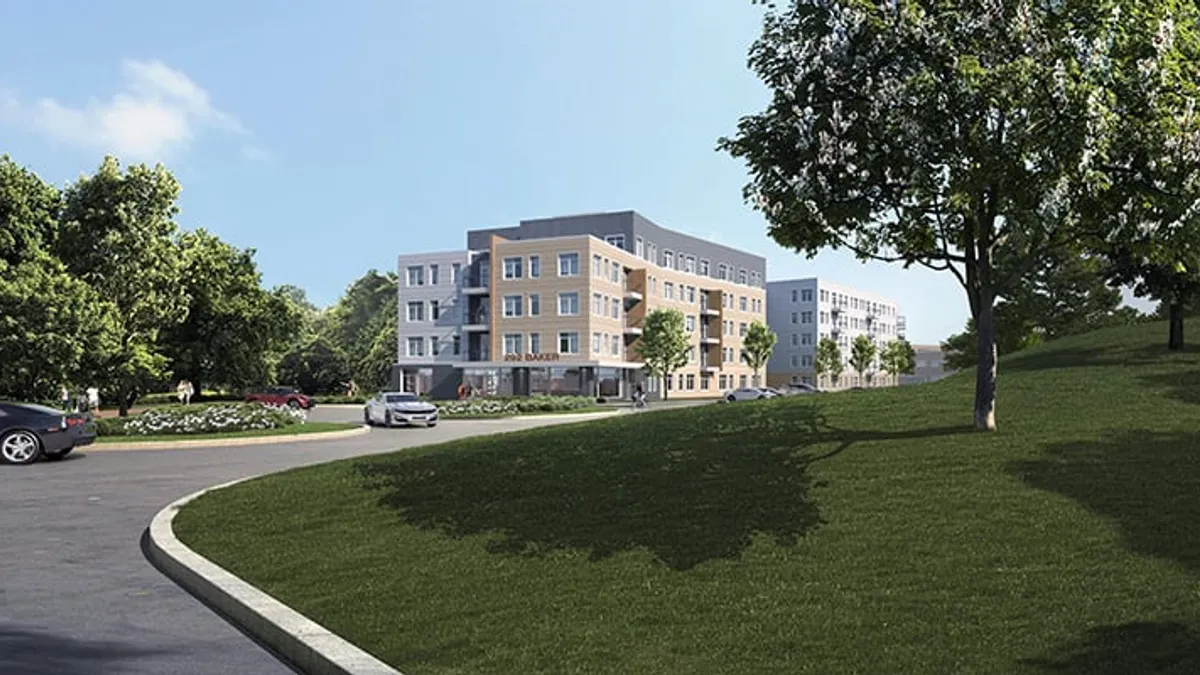
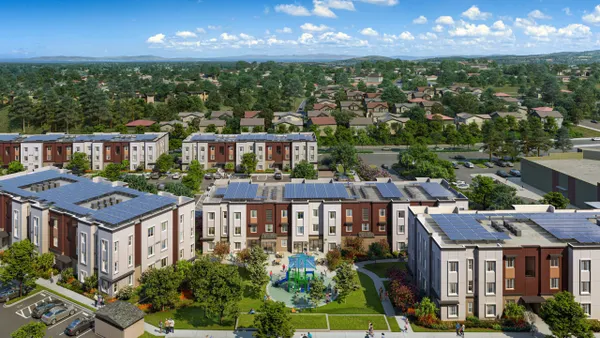
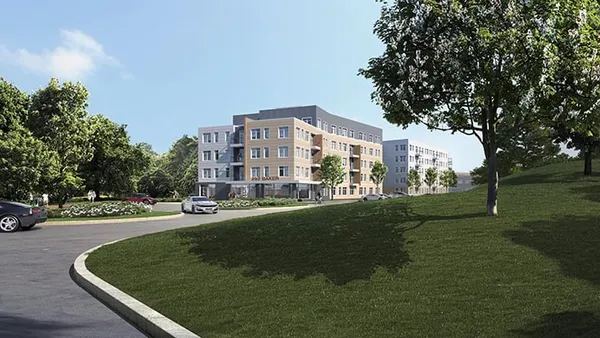
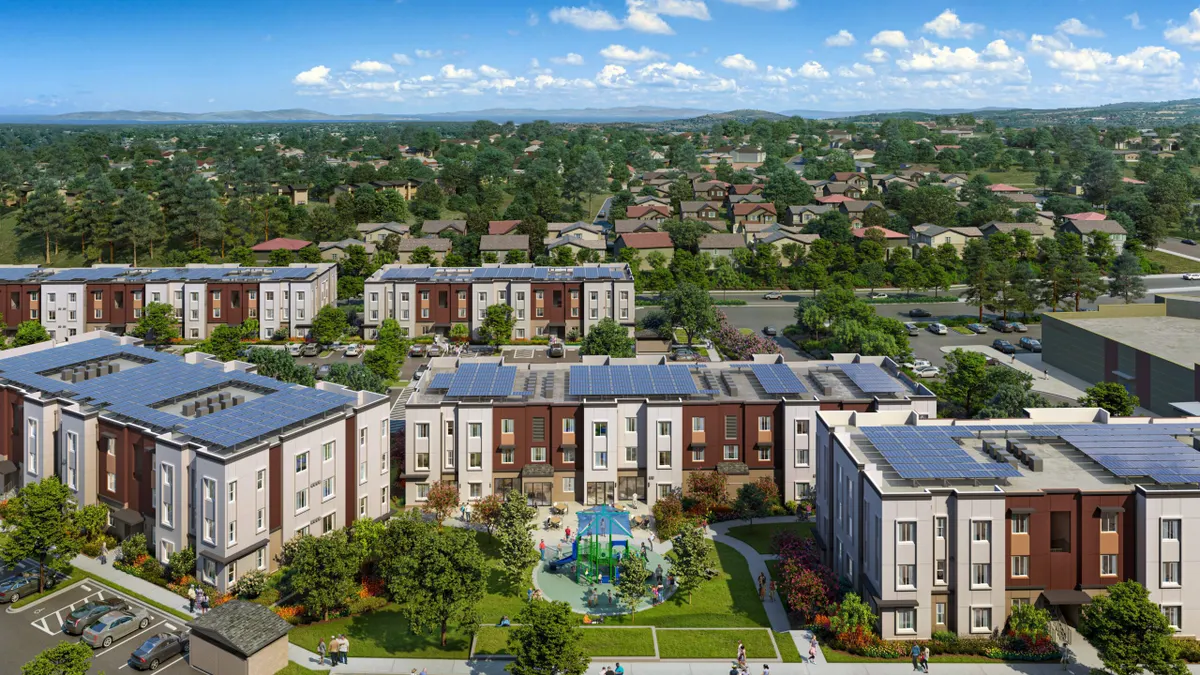
The new projects are part of the Los Angeles-headquartered developer’s Joyfield Living workforce housing platform, which is targeted to middle-income workers like teachers, police officers, nurses and line cooks, according to Qumseya. Joyfield Flats at Lakeview Center will have 233 apartments across seven buildings, while the design for Joyfield Flats at Buchanan Crossing includes 195 units across six buildings.

Joyfield is Standard’s “really huge, very ambitious initiative” to build affordable housing, affordably, with very limited reliance on gap funding, Qumseya said. The firm reduces overall development costs by streamlining the design process.
“We wanted to standardize a product that feels like a market-rate, that breathes like a market-rate, that just happens to be affordable, and we wanted people to recognize when they go from a Joyfield community to another Joyfield community,” Qumseya said. “Similar to how you walk into a Hilton or you walk into a Marriott, you recognize the place.”
With that design in mind, the firm searches different markets to see where it can build that product effectively, according to Qumseya.
Standard invested a lot upfront “to create this product that we know exactly how much it's going to cost us vertically because we've standardized it, and we look for communities where we can bring that product in and build at a certain cost structure,” he said. “And if we cannot build it at a certain cost structure, then we just look for another market where we can.”
Housing the workforce
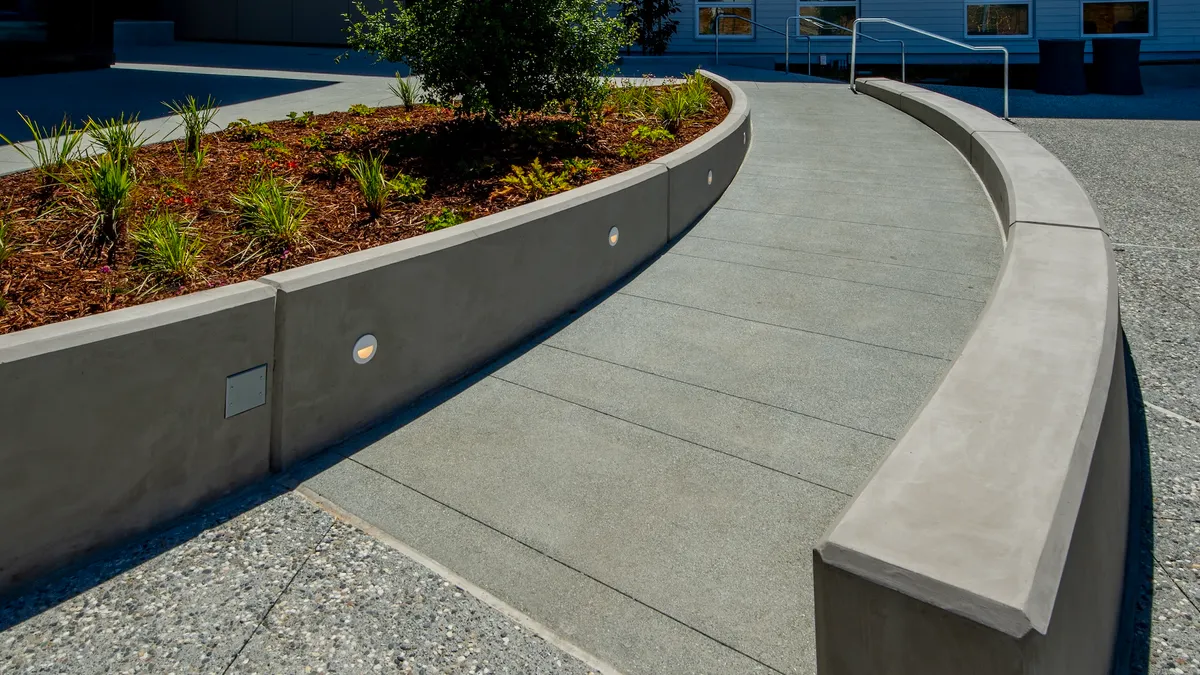
Standard iterates on the base design as needed to fit each location, according to Qumseya. The placemaking and experience of the public space outside of the building is an important part of making people feel like they will thrive in a Joyfield community, he said.
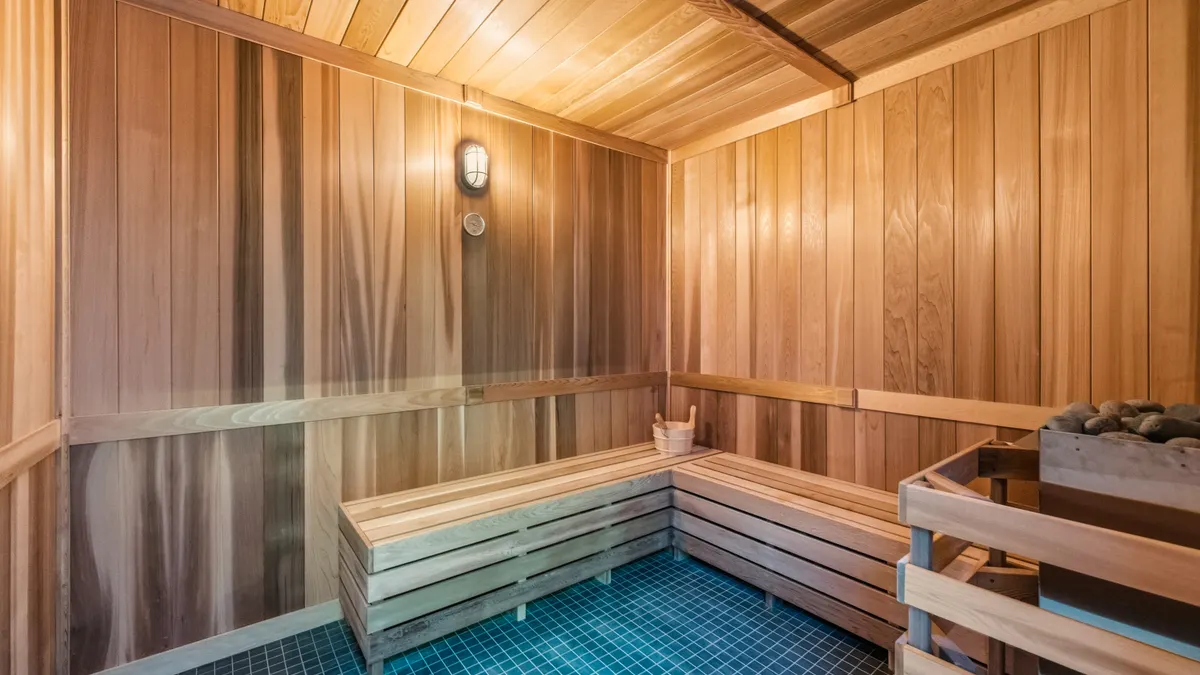
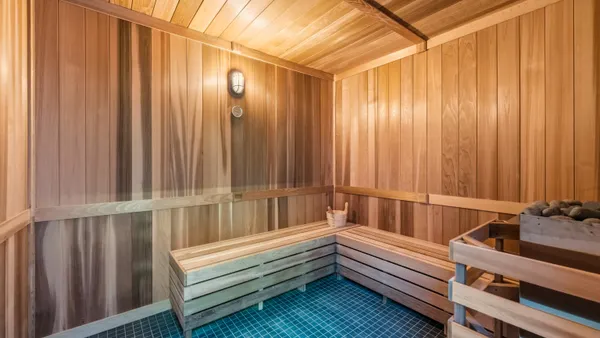
“Some of the facade might change, some of how it integrates with the community might change depending on the surrounding neighborhood, but the backbone and the interior experience for the residents remains the same,” Qumseya said. The communities’ typical amenities include a playground, walking trails, a business center and co-working space and a gym.
Inside, “you find a very bright, welcoming lobby with lots of really nice-end finishes, and the experience of the common areas and the spaces are very upbeat and welcoming,” Qumseya said. The units have 9-foot ceilings and stainless steel appliances, and many are equipped with dehumidifiers because “air quality is something we really care about.”
Standard wants the workers who live in its Joyfield communities “to feel honored, and we want them to feel that they're appreciated,” Qumseya said.
Affordable building challenges
The partnerships that Standard builds with jurisdictions up front also helps it build housing affordably, according to Qumseya. Lengthy permitting times can drive up the cost of a development, but the city of Antioch gave Standard a predictable path forward for its project.
Antioch previously identified commercial areas where it wants housing and designated projects there as commercial infill housing.
“If you meet their design criteria, you have a streamlined path towards entitlement and approval,” Qumseya said. “So from the minute that we were able to find the site ‘til the minute we actually started construction, that was 16 months, which in California, really almost anywhere, is almost unheard of.”
California has also recently passed a slew of laws to incentivize homebuilding, including housing production targets and an updated permitting process. Affordable housing is allowed by-right if it follows certain requirements, and the local jurisdiction has to approve it within a certain timeline, according to Qumseya.
“That was instrumental in Antioch because Antioch has partnered with the state to also streamline their process,” Qumseya said. “When you have the state and the local jurisdiction working for the same goal, this is where real change can happen.”
Nonetheless, there are still a lot of pressures on affordable housing developers right now, Qumseya said, including “the highest interest rates that you've had in a decade or more.”
“Your debt cost is significantly now higher, which means you can have less mortgage on a project, and you have less proceeds, which means you have less sources than you have had to pay for the cost of the project,” Qumseya said. “Construction costs are going up, your ability to borrow money is going down, and that really creates a gap.”
Click here to sign up to receive multifamily and apartment news like this article in your inbox every weekday.