Multifamily Dive’s Small Manager Spotlight series highlights small, local property managers, offering solutions to issues that operators across the country face.
In today’s property management world, being small can have its drawbacks. Without thousands of units to absorb costs, it can be tough for local operators to make the technology investments to compete.
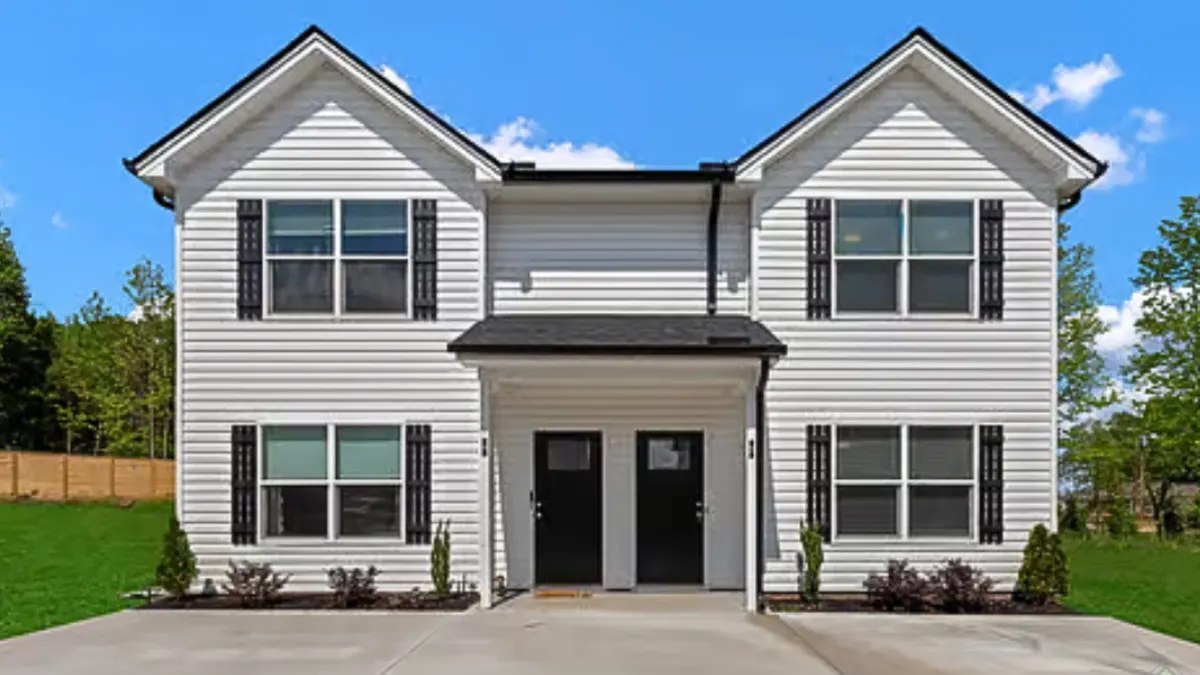
But Brian Walsh, of Progressive Properties of Greenville in South Carolina, also sees advantages to being a smaller firm with about 685 doors under management. His company, which has been in business for 16 years, manages single-family and smaller, scattered-site multifamily properties. It handles its own maintenance and remodeling.
Despite Progressive’s size, it doesn’t eschew modern software and systems. “We definitely use as much technology as we possibly can,” Walsh said.
Walsh manages for Arn Cenedella’s Spark Multifamily Investment Group, which owns 21 properties and 613 units in the Greenville area.
“The perspective Brian and I have is an old-school fundamental perspective,” Cenedella said. “We use tech, but we also take a fundamental approach with fixed-rate debt, low leverage, ample cash reserves and really knowing the market.”
In fact, the only market the pair focuses on is in their backyard. “We only do Greenville County, where we live,” Cenedella said. “We're not trying to operate assets 3,000 miles from where we know these markets.”
Here, Walsh talks with Multifamily Dive about the value of in-person showings, how he uses software in the application process and why it's important to dig deeper when doing credit checks.
This interview has been edited for brevity and clarity.
MULTIFAMILY DIVE: Why do you focus on in-person showings with prospects?
BRIAN WALSH: I have personally spent untold hours reading articles, watching YouTube videos, researching, going back and forth with my team and thinking about using electronic lock boxes for self-showings versus in-person showings.
I just really cannot sell myself on them being better than doing in-person showings. I think there are positives to electronic lockboxes and self-showings, but the negatives outweigh the positives. When I started my business, for six years, it was just my wife and me. I did thousands of showings. I just feel like there are so many things that you can get from doing a showing.
What are some of those things?
One example would be you have one person applying for a property. You go to the showing, and six people show up. You can just catch little things like that.
It’s not like anyone could walk up, get a code and get in these units. But on the other hand, I just feel like there’s a lot of opportunity for problems.
An example could be six people doing a self-showing in one day. One of those people unlocks one of the bedroom windows and comes back that night and steals something. Or, even worse, comes back two weeks later and commits a crime.
Does being in person make it easier to sell?
Another big part of our job as property managers and leasing agents is selling. So, I think it's extremely important to be on-site to build rapport with the tenant, overcome objections and help sell the property.
An example would be a prospect saying, “I really love this place. It's just that I need two closets. It only has one.” If you’re there, you can answer, “I'm so sorry I didn't show you the second closet,” or, “We have a unit down the street that has two closets.” Then you go sell them that one.
How do you handle the application process?
If you visit my website or 10 other property managers' websites, the application requirements are very similar. Ninety percent of what we require is required by most property management companies. But I do think the way we process them is slightly different.
We do use software. Applications get submitted electronically, and our software generates a score. We could, in theory, take that and we’re done. But, that's not even remotely close to what we do.
How do you handle it?
First and foremost, we definitely spend the time to verify that the pay stubs and bank statements are accurate. There's a lot of fraud out there. We catch fraud all the time. Some of it is trickier to spot and some of it sticks out pretty easily.
We do take the time to actually apply that same thing with references and job letters. If we get a job letter, we're calling or emailing someone to verify that it's accurate.
How do you handle credit checks?
With credit history, I feel pretty strongly that you cannot just base someone's credit off of a credit score. Here's an example we deal with all the time. We could have a kid who just got out of college and got his or her first job. They apply for an apartment, and then they have no credit.
They have not established their credit yet. They have a low score but haven't actually done anything wrong. So in that situation, we would require that the person put a double deposit down. So there's a workaround for that.
Student loan debt is another one that is super common and can drag scores down. So we finally consider all that — the big picture.
How do you handle criminal history?
With criminal history, we're actually spending time to look through the report and know if a person has a criminal history. But if this is a 40-year-old guy who got arrested twice when he was 21 years old for reckless driving or something, we're not going to deny that. But if in the last three years he has had three arrests for violent offenses, we're going to deny that application.
The way we view it is, if there's any blemish whatsoever in the last three years, we're not going to work with the applicant. But anything further back than that, we're going to take the time to evaluate it on a case-by-case basis.
Click here to sign up to receive multifamily and apartment news like this article in your inbox every weekday.