Last week, Interstate Equities Corp. paid $42.8 million for Pepperwood and Temescal, a 141-unit, 357-bed multifamily portfolio, according to a press release shared with Multifamily Dive.
IEC is planning a unique conversion of the garden-style portfolio. Over time, it will gradually transition leasing toward a by-bedroom model at the communities located 2.8 miles from the University of California, Davis.
“Davis is one of the most supply-constrained university submarkets in California, with no off-campus multifamily construction currently underway and an estimated housing shortfall of roughly 17,400 beds relative to UC Davis enrollment,” Brendan Gibney, Director of Investments at IEC, told Multifamily Dive in emailed comments. “That structural backdrop gives us confidence in the demand side.”
Constructed in 1981 and 1983, respectively, Pepperwood and Temescal consist of a mix of one-, two-, three- and four-bedroom apartments averaging approximately 1,090 square feet. The transition to by-bedroom leasing will be phased in over the hold period as leases turn each academic year.
“Several competitors directly across the street are already operating this way,” Gibney said. “It reduces vacancy risk, aligns with the academic leasing cycle, and captures rent premiums that the current whole-unit model does not allow for.”
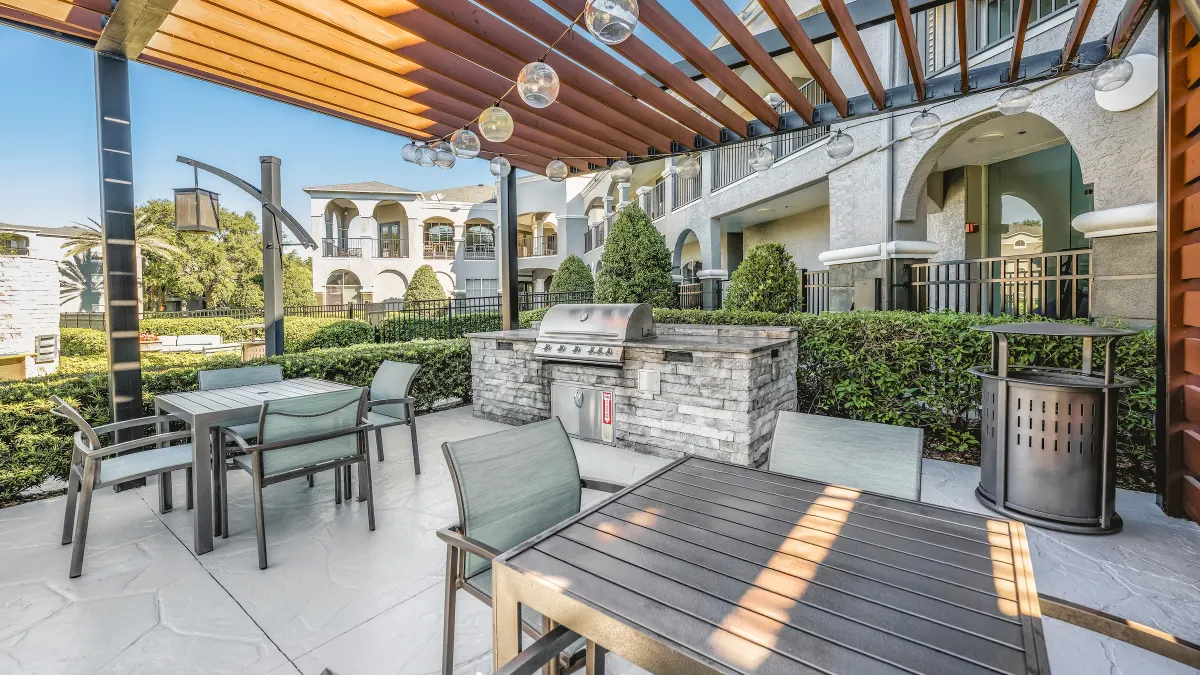
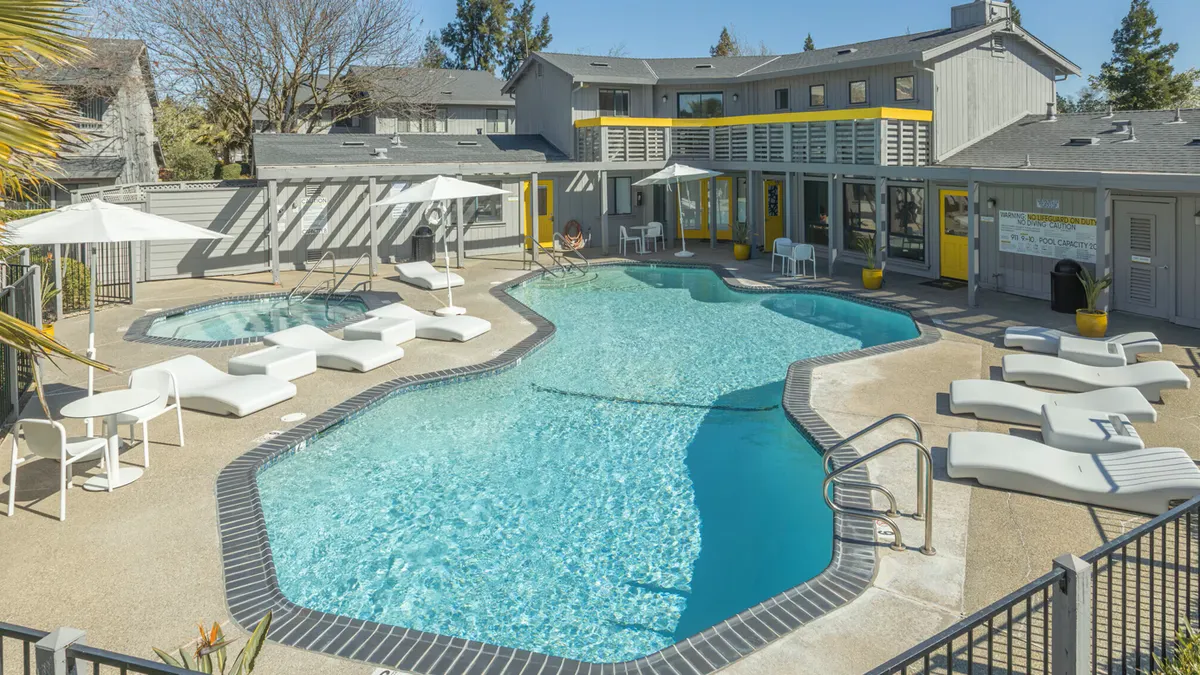
As it turns out, Los Altos, California-based IEC will also execute a targeted renovation program with vinyl plank flooring and in-unit washer-dryers for the four-bedroom apartments at Temescal. It will also make exterior improvements, including roofs, HVAC, pool and patio refreshes and a leasing office upgrade. “The properties already have a solid amenity package, so we are improving what is there rather than starting over,” Gibney said.
Student housing advantages
While Gidney said Pepperwood and Temescal aren’t one-off student housing buys, he said IEC won’t be “pivoting wholesale” into the sector.
“What we are looking for is a specific profile: supply-constrained markets anchored by a large public university with stable enrollment and limited on-campus housing capacity,” Gibney said. “Pepperwood and Temescal fit that well, and we think similar opportunities exist in other markets.”
IEC is attracted to student housing because it “holds up through economic downturns in a way employment-driven multifamily does not,” according to Gibney. In addition, the annual lease cycle gives operators a consistent reset point.
“Paired with the structural undersupply at most major university markets, it is an asset class worth pursuing selectively,” Gibney said.
Still, Gibney said the firm was “clear-eyed about the operational complexity” of operating student properties.
“Student housing runs on a different clock than conventional multifamily and the leasing season leaves little margin for error,” Gibney said. “We did our homework before committing here, and as we build experience in the sector, we expect to get better at identifying and underwriting these deals.”
Buying opportunities
IEC, an institutional fund manager, has invested in more than 120 apartment communities since its founding in 1981. Gibney said the firm is active in the overall acquisition market, but the environment is challenging.
“The bid-ask gap that stalled transaction volume over the past two years is narrowing, and we are seeing more realistic deal flow as a result,” Gibney said. “We do not expect a flood of activity, but the pipeline is more interesting than it has been.”
The firm will continue to focus on California and the Seattle metro area, where Gibney said it has the operating infrastructure and local relationships to move quickly and execute well.
“Within California, university-anchored submarkets with limited new supply are getting more of our attention after this acquisition,” Gibney said. “We are disciplined about entry basis and want a clear operational thesis on anything we pursue.”
In this more challenging environment, Gibney said being an owner-operator matters more than it did a few years ago, when financing was cheap. “Returns are going to come from running assets well, not from cap rate compression, and that is where we think our platform has a real edge,” he said.
Click here to sign up to receive multifamily and apartment news like this article in your inbox every weekday.