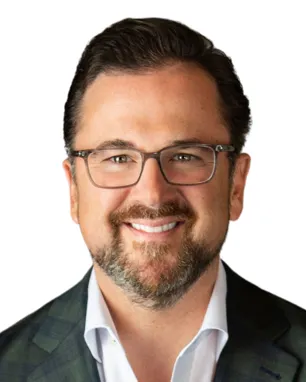
The BAM Cos. traces its start to apartment operations. In 2010, Founder and CEO Ivan Barratt launched the firm. He later moved into single-asset apartment syndication and became a fund manager in 2019.
Over the last decade and a half, it’s done roughly $2 billion in transactions, involving 10,000 units. But it has also sold properties, trading out roughly 4,000 assets, according to Barratt.
“We had a couple of assets that went full cycle in the last couple of years, but it's been much more of a buyer's market than a seller's since interest rates went up,” Barratt told Multifamily Dive.
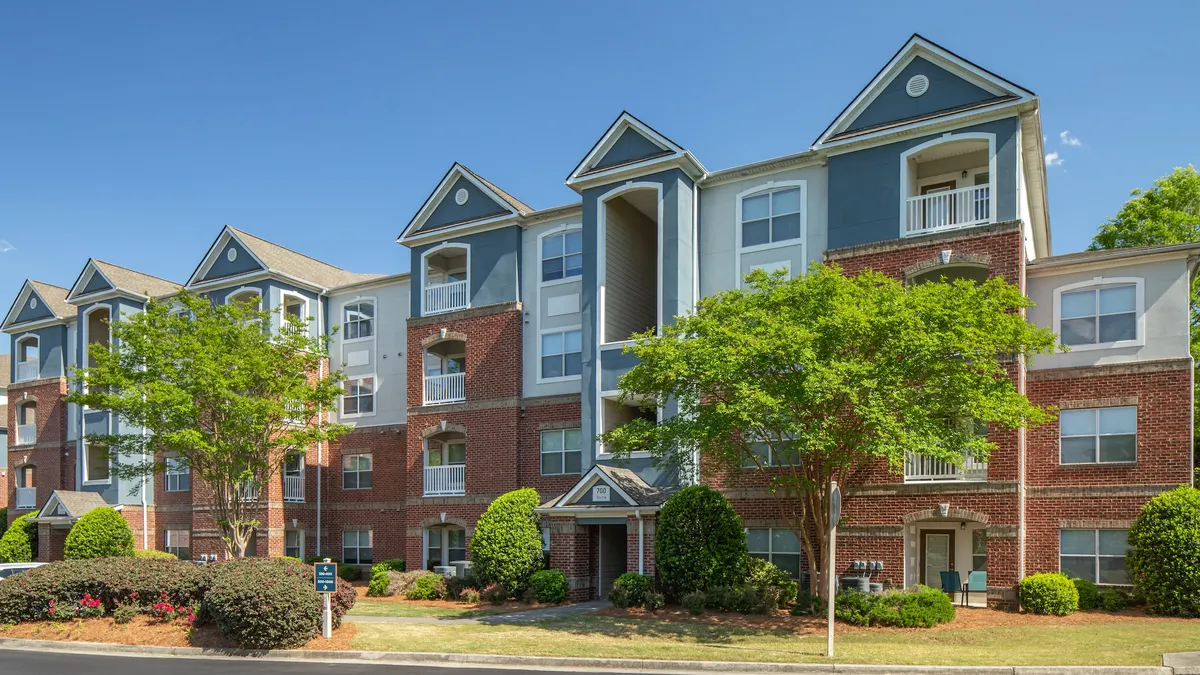
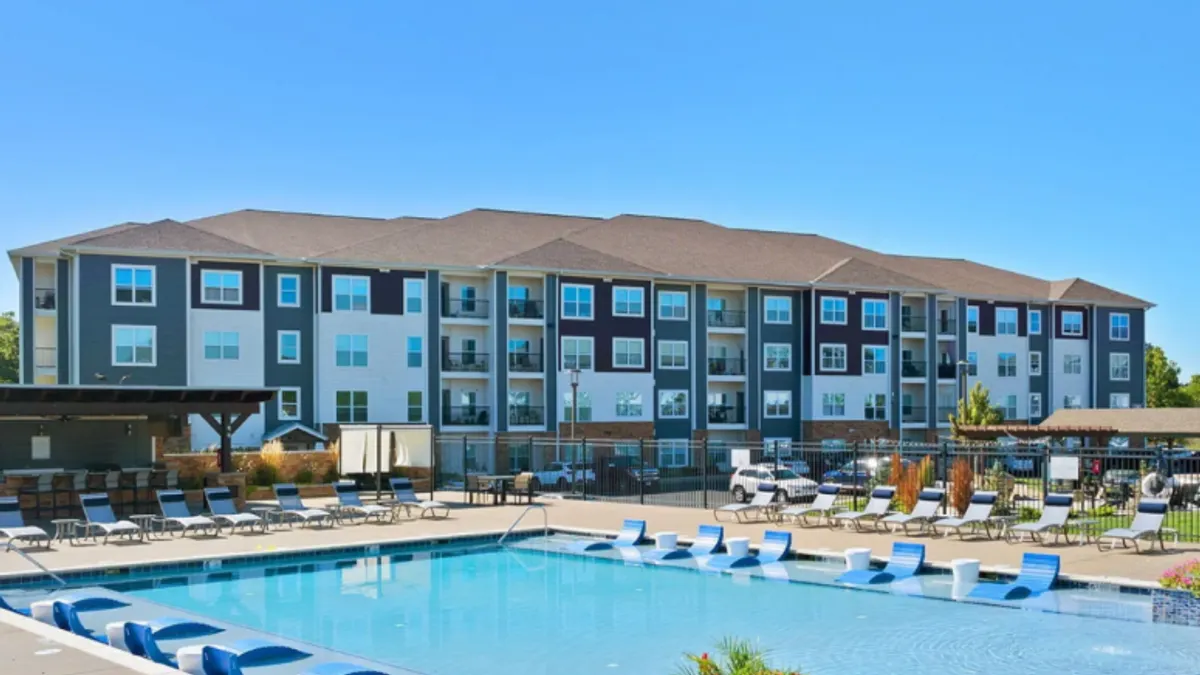
Last December, BAM closed on Kinsley Forest Apartments, a class A multifamily community in Kansas City, Missouri, after buying a property earlier in the year in the same market. The asset is the second acquisition within the BAM Multifamily Growth Fund V and the third in the BAM Preferred Credit Fund.
“The 2018 vintage fits right into our buy box,” Barratt said. “We've been hunting around Kansas City for a long time, and were able to close on a deal there earlier in 2025. As fortune would have it, we found another deal that hit our buy box before the end of the year.”
Kinsley Forest Apartments meets an important criterion for Barratt — it is in the Midwest. “The Midwest didn't boom, but it didn't bust either,” Barratt said. “We like it because it's more of a steady Eddie, consistent market.”
Nonetheless, Barratt says it's hard to find deals right now. “Transaction volume is still pretty muted,” he told Multifamily Dive. “Anyone who can afford to wait is waiting.”
Here, Barratt talks with Multifamily Dive about apartment distress, Midwestern strength and how a potential boom in blue-collar jobs could hedge against AI disruption.
This interview has been edited for brevity and clarity.
MULTIFAMILY DIVE: Are you seeing distressed properties come to market?
IVAN BARRATT: We’re already starting to see more of those. It’s not necessarily something we would buy; it’s more opportunistic C-class assets being forced by the lender to sell. We’re seeing it all over.
In the markets that have really boomed — a Houston or a Nashville or a Vegas or Phoenix is another great example — there's a lot more blood that's already been spilled.
You started your career in 2010. Do the problem loan issues feel different now?
So, I was in development. I was a young guy thinking I knew a lot. I was very thankful to have learned a good lesson early in my career, before I was too old — old enough to destroy me.
One anecdote comes to mind. I was at a cocktail party in 2010 and I would have been in my late 20s. I was there with my parents, and they had a bunch of their friends there. Somebody asked me what I did. I said that I was in real estate. And they gave me this puppy dog look.
Nobody said that to me again for, gosh, almost 15 years, until recently. I was at a cocktail party and I said I was in real estate. And people are like, ‘Oh, man, are you okay?’ It kind of feels like it's 2010 and 2011 from a public sentiment standpoint, where real estate is thought of negatively. But now, as I did then, I wish I had bought more.
What kinds of deals are you looking for?
We look for class A 2015 or newer urban garden apartments. There has got to be some hair on it, either from a bad management situation, a broken capital stack or somebody is coming to the end of their fund and has to sell. We're looking for those value-add opportunities, but on newer assets, where there's more of a capital stack issue or a developer can't wait any longer, and he's got to sell.
What do you like about Kansas City?
Kinsley Forest Apartments is our second asset in that submarket. What I like about it really is that there's not a lot of supply coming on. It's a pretty low-supply market right now. There are only a few hundred units under construction, and no additional units are planned in Clay County. We like the school district. We like the proximity to downtown Kansas City and the jobs picture.
What other Midwestern markets do you like?
Indianapolis, our home base, has been a great market. We've got some assets outside of Pittsburgh and Des Moines, Iowa, and then we like these Big 10 university markets. It’s not for student housing, but for workforce and class A housing where you've got a big university that's not going anywhere and hospital jobs. Bloomington, Indiana, has been a great market for us, and so has West Lafayette, Indiana.
Do you feel isolated from potential AI job disruption in your markets?
You’re seeing crane operators, electricians and plumbers now making six figures a year. That's going to continue as we build out all this infrastructure, not only data centers, but the power generation, the highways and the reshoring of manufacturing.
So I think we will see a renaissance in blue-collar employment. And those blue-collar workers of the near future are going to be able to afford nice apartments and nice homes, and want to be in places where they can raise a family and have safety and good schools.
Click here to sign up to receive multifamily and apartment news like this article in your inbox every weekday.