Rockefeller Group, which develops multifamily, industrial, office and data center projects, is pushing into small- and mid-sized apartment construction in the Southeast to meet growing housing demand, according to the firm.
In July, Rockefeller hired Mitzi Jones as senior managing director of the Southeast to bolster its multifamily presence in the region. The New York City-headquartered real estate firm already builds wood-frame apartments, particularly in the Southwest, but out of the Atlanta office, historically about 90% of projects have been industrial, Jones told Multifamily Dive.

In the past, “we just haven't had the expertise to focus on multifamily,” Jones said. “With my background, we're able to make that shift and focus more on the multifamily because we have a great reputation on the industrial side.” Previously, Jones worked at Atlanta-based Atlantic Residential and has nearly 30 years of experience shepherding large-scale residential and mixed-use developments through all phases of the project lifecycle.
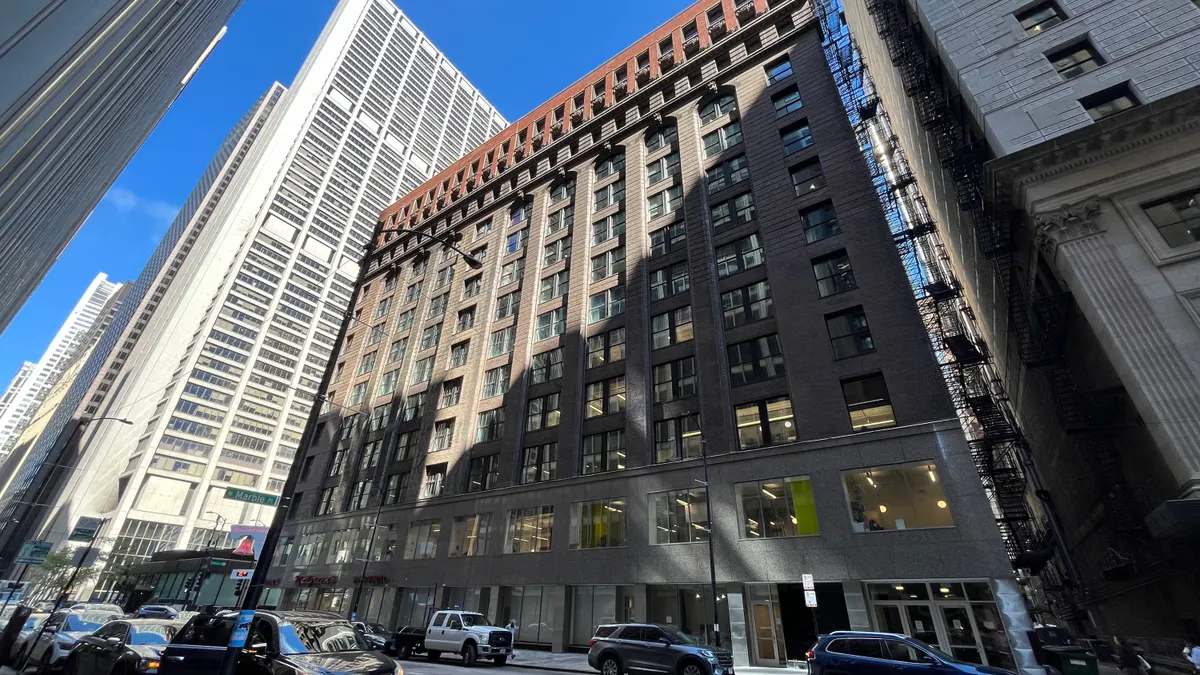
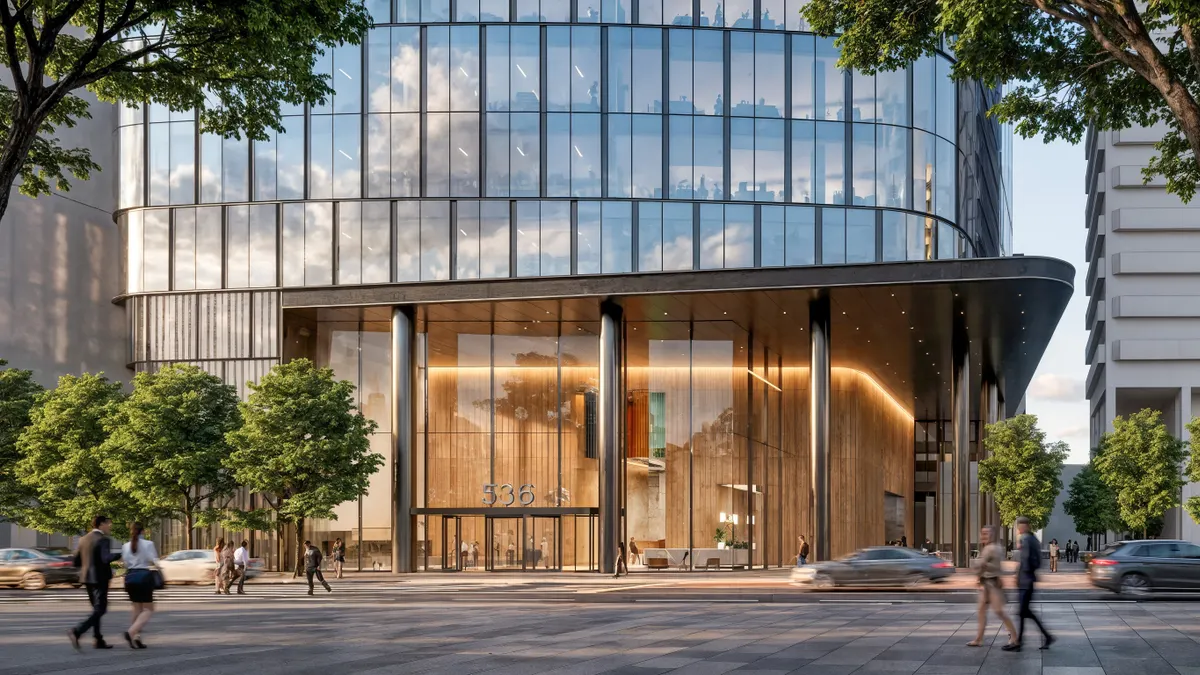
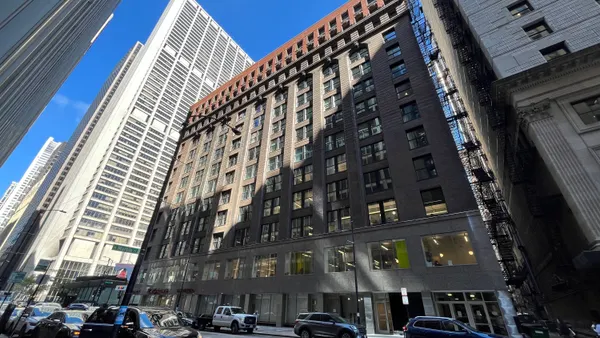
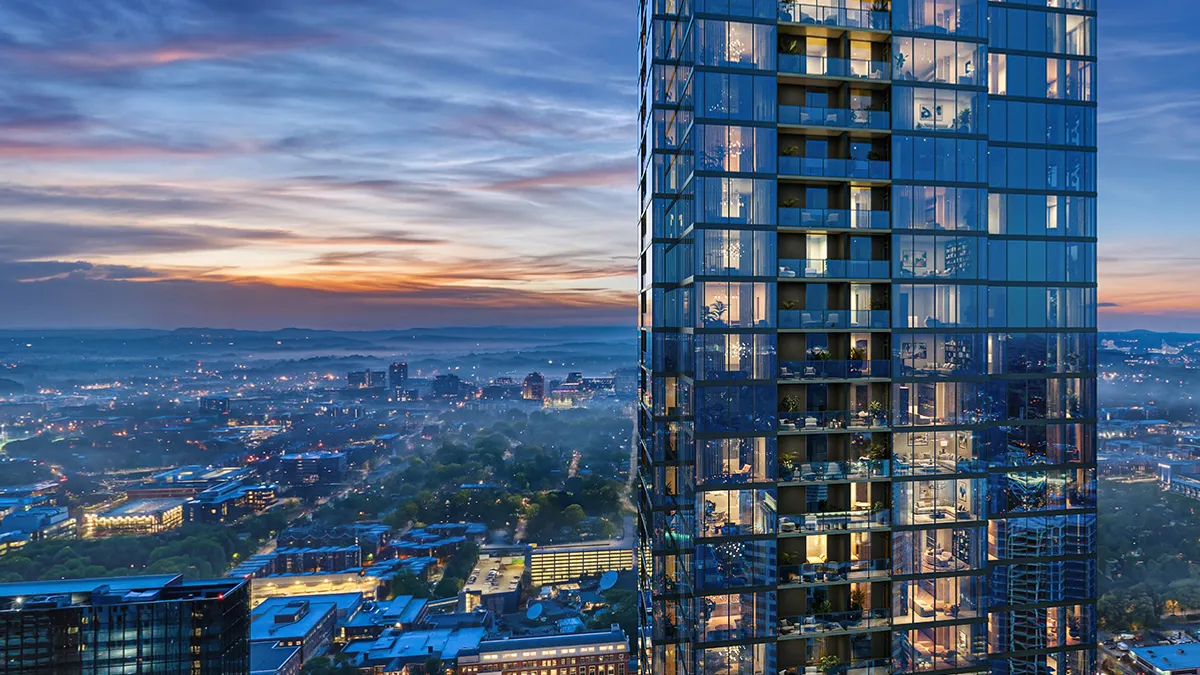
Rockefeller is currently building Brooklyn & Church, a 460-unit, $250 million multifamily conversion project in Charlotte, North Carolina, as well as a 357-unit, 60-story mixed-use tower called Alina in Midtown Atlanta, according to a press release shared with Multifamily Dive. However, “that type of trophy-style project doesn’t come around often,” Jones said.
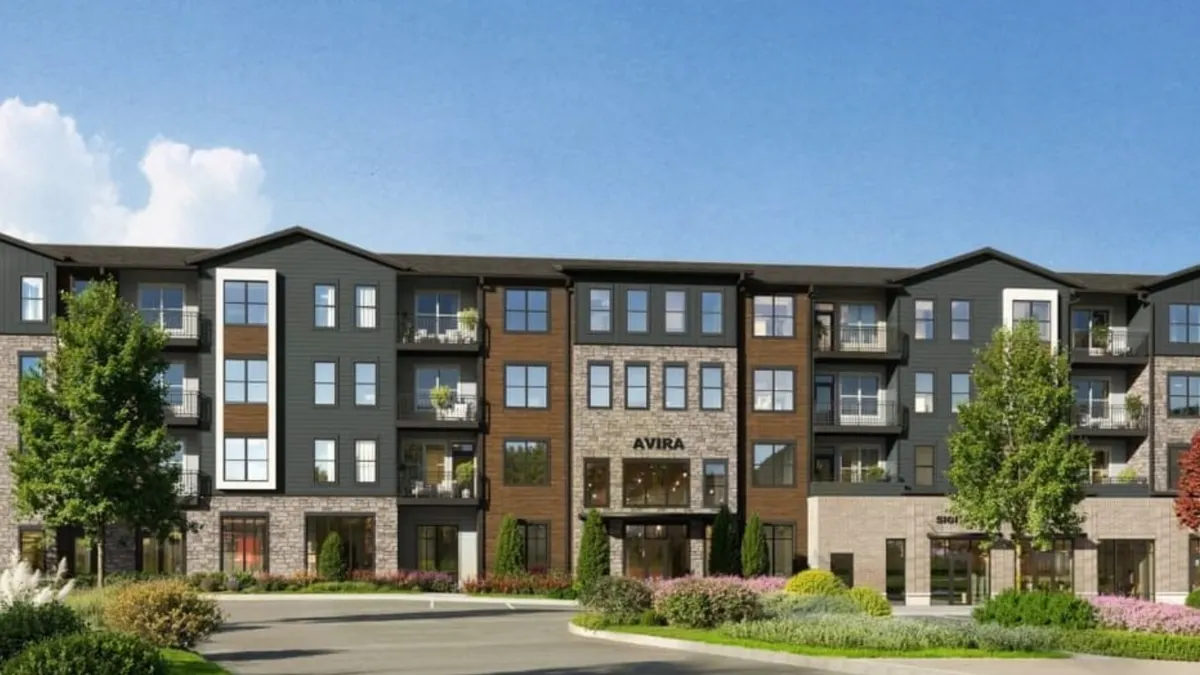
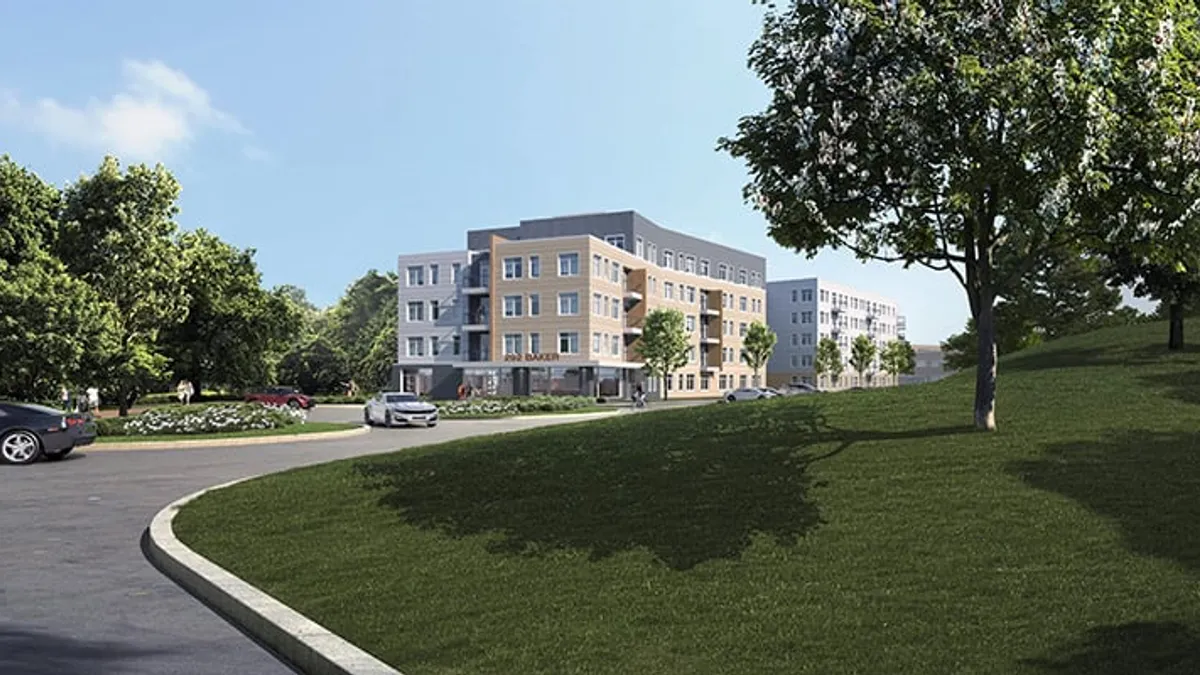
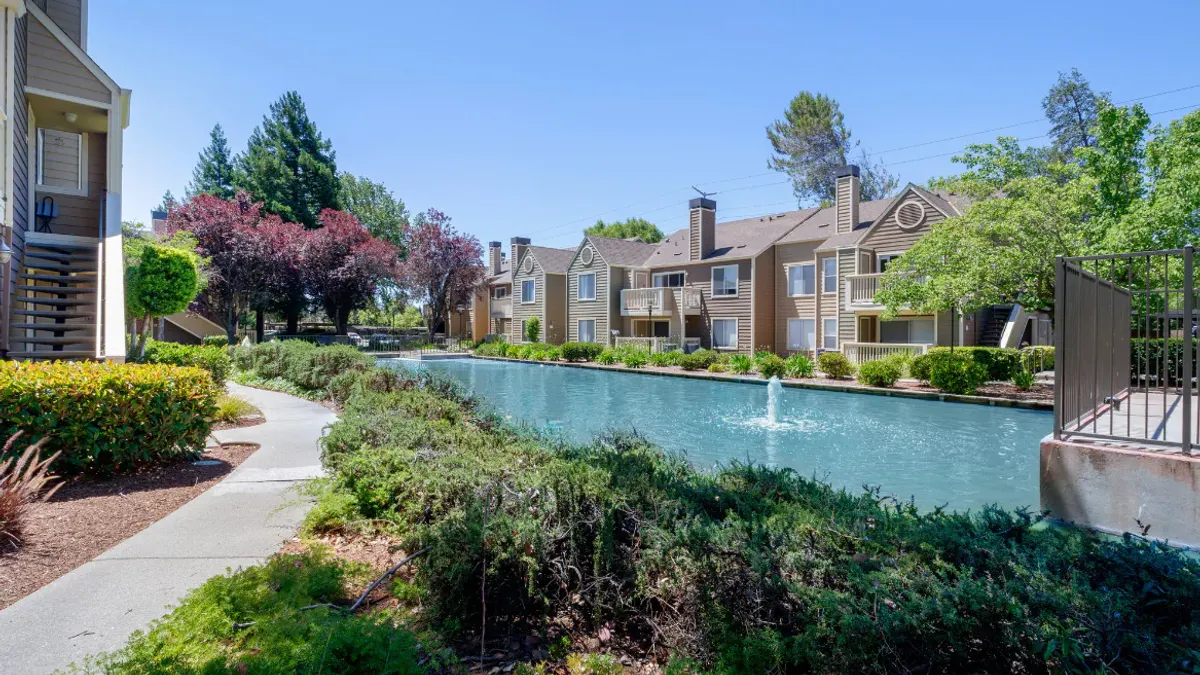
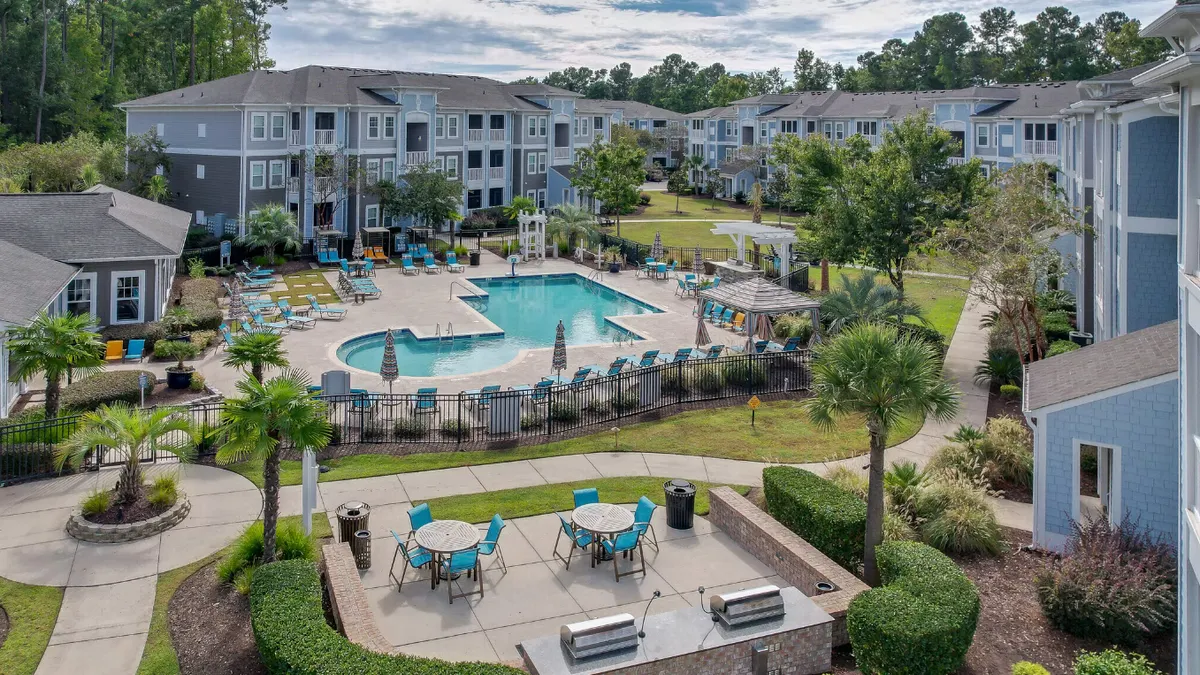
“For us to get a larger presence in the Southeast, we need to shift our product type to more of the wood-frame, either garden-style or wrap-type product,” Jones said. “We just want to get our name out there that that's a product that we are also very interested in doing, and we kind of see that as being our future for now.”
Currently, multifamily projects account for approximately half of Rockefeller’s development portfolio, with the balance split between industrial and office projects, per the press release. Over the past 24 months, the company has completed and owns roughly 3,000 multifamily units in eight states, with another 2,731 units actively under construction across the country, according to a Rockefeller spokesperson.
Regional challenges
In her new role, Jones said she’s eager to see what Rockefeller can do in multifamily in the Southeast, “given all the market constraints we're dealing with today.”
“We've got a lot of great developers here in the Southeast, and everybody's chasing the same land, chasing the same deals,” Jones said. “One of [Rockefeller’s] advantages is that we don't always have to source third-party equity.” The firm is able to provide its own equity for a “good portion” of its projects, which will help it pursue new developments and “help shave some time off because you're not out there looking for an investor.”
Rockefeller is eyeing multifamily builds in new markets including the Carolinas and Florida, as well as Atlanta and Nashville, Tennessee. When it comes to identifying places to develop, Jones said the firm is looking for “deals out there that maybe have been overlooked.”
We’re “seeing where we can find opportunities that already are part of either a mixed-use or a higher-residential-density land so we don’t have to go through a full entitlement process,” Jones said.
Complicating plans, however, are the high levels of supply and concessions that remain widespread throughout the Southeast, Jones said.
“It's just going to take time” to see that supply get absorbed, Jones said. “That’s the nature of the beast — you just gotta wait and be patient and let the absorption run its course, basically, and then try to be one of the front-runners coming out to those markets.”
Materials and labor
Although the high lumber prices and other material cost escalations of recent years have subsided, construction remains difficult, according to Jones.
“What we're seeing now, in probably the past year or so, is the subcontractors — while they're needing and thirsty for the work — they are still hesitant to give you their best and final pricing until you're ready to sit down with them and write a contract,” Jones said.
Even with a Guaranteed Maximum Price contract, pricing from the general contractor can still be elevated, Jones said. Once at the buyout table, there can be significant savings on the project, but “the challenge is trying to capture those savings when you're putting the deal together, because it makes the deal unattractive if you're going in with such a higher price on your overall construction cost,” Jones said.
“Once you can get the deal to go through, then you're having all these savings, which doesn't help as much because you haven't had it on the front side, so you're basically paying interest on a higher cost, or your cost of money is higher because your overall project costs are elevated,” Jones said.
Tariffs are still having an impact, according to Jones. Many subcontractors who are buying products from overseas don't want to commit to lower prices because they don't know what the market’s going to do.
“So you're not getting your best numbers until when you're sitting down at the table writing a contract, and they're like, ‘Okay, if I can buy this in the next 30 days,’ then their risk is minimized, versus [when] it's an open ended, like, ‘Okay, I've got to hold this price for how many months?’”
The cost of construction labor also jumped in recent years, and although prices have plateaued, “it’s not going to go backwards,” Jones said.
“I think it's the new norm, where we are on the labor costs. And from what I've seen and heard, I don't think we have, really, a labor issue. Things have slowed down because of the oversupply we have,” Joes said. “I think folks are out there wanting the work, but they're not going to drop their prices.”
Click here to sign up to receive multifamily and apartment news like this article in your inbox every weekday.