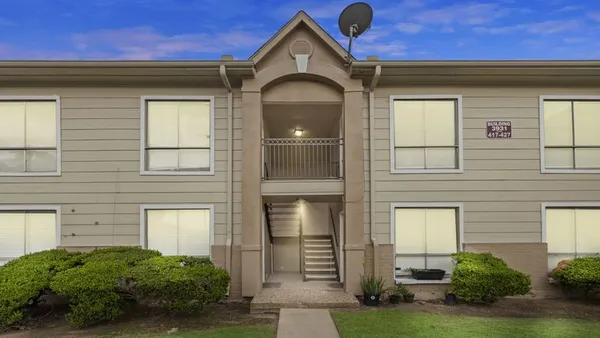
Properties in New York and Texas have been sent to special servicing this month, demonstrating how localized issues are leading to mounting distress.
In New York City, the Singer Bronx Multifamily Portfolio, encompassing five properties and 291 rent-regulated units, moved to special servicing for payment default after several months of being delinquent, according to a Morningstar Credit report shared with Multifamily Dive.
The last set of financials for the portfolio in late 2024 was “relatively healthy,” according to Morningstar. However, it said that recent servicer commentary pointed to a number of issues, including force-placed insurance and delinquency on real estate taxes, and two of the properties were rated as poor during their last inspections.
The portfolio is owned by Barry Singer, who was named one of the worst landlords in New York City, according to Crain’s New York Business.
In New York, a 2019 law has been harmful to affordable property owners and operators, according to industry advocates. They contend the legislation has made it difficult to make necessary upgrades in rent-regulated housing in the city.
“In 2019 the NY state legislature passed new rent laws they claimed would make New York rents affordable or at least prevent them from getting worse,” Jay Martin, the executive vice president of the New York Apartment Association, said in a post on X. “It’s destroyed the housing in rent-stabilized buildings while rents in free market units have spiked.”
In January, Summit Properties USA agreed to buy a portfolio of 5,100 rent-stabilized New York City properties for $451.3 million that owner Pinnacle Group put into bankruptcy in May.
In 2024, the special servicer for eight commercial mortgage-backed securities loans in New York City instructed its legal counsel to foreclose on the 28 workforce properties that had been owned by New York City-based Emerald Equity Group.
“The Housing Stability & Tenant Protection Act of 2019, high inflation rates, increasing operating expenses — which continue to outpace permitted rental increases for rent-stabilized apartments — and an inability to collect rents have critically impaired the value of rent-stabilized assets in NYC over the past five years,” Morningstar said in the report about the Emerald properties.
Texas troubles
New York City landlords aren’t the only ones facing financial stress.
In Richardson, Texas, The Riley was also transferred to special servicing. The 262-unit property was completed in 2016, according to S&P Global. Though the servicer provided no details, prior commentary noted that a cash trap has been sprung for a number of reasons, including a tax exemption, according to Morningstar.
The Riley participated in the Garland Housing Finance Corporation program, which allowed the property to be exempt from real estate taxes if it met certain conditions and required mandatory prepayments if it does not qualify for or loses that exemption, according to Morningstar.
“It is unclear whether that is what has occurred here, so we are simply highlighting this as a possible cause for the transfer,” Morningstar wrote. “We also note the $83.1 million appraised value assumes the tax exemption is in place; absent the exemption, the appraised value drops to $65.6 million.”
“Traveling” housing finance corporations that partner with developers to acquire properties in other parts of the state and claim tax exemptions outside their founding jurisdictions without local consent have drawn scrutiny in Texas.
Last year, Texas enacted affordable housing law House Bill 21, which significantly changed how the state’s affordable housing projects can access property tax exemptions. However, that legislation faced a lawsuit from a group of developers. The plaintiffs warned HB 21’s changes are unconstitutional and will displace swathes of working-class residents who no longer meet the stricter affordability standards.
Property troubles in Texas go beyond issues around HFCs. Many older assets in the state are struggling with increased borrowing, operating, insurance and tax costs. Last week, Falls Management Group transferred operational responsibility for 10 troubled Houston properties, totaling 3,633 units, to Lynd Management Group.
Click here to sign up to receive multifamily and apartment news like this article in your inbox every weekday.