Rapidly changing technology and climate patterns as well as demands for affordability and wellness amenities are shaping how apartment buildings are designed, according to Gensler’s 2026 design forecast.
The report offers insight into the signals its experts are seeing across markets, geographies and industries, from offices to museums to defense buildings. For the apartment industry, affordability continues to be a main area of concern, according to the San Francisco-based architecture and planning giant.
“Housing affordability has become the foundation of a vibrant, resilient city,” according to the report. “As Gen Z enters the market and Boomers retire, hybrid models like co-living and multigenerational housing are meeting rising demand for connection and cost-conscious living.”
Looking ahead, here are four mega trends shaping multifamily design.
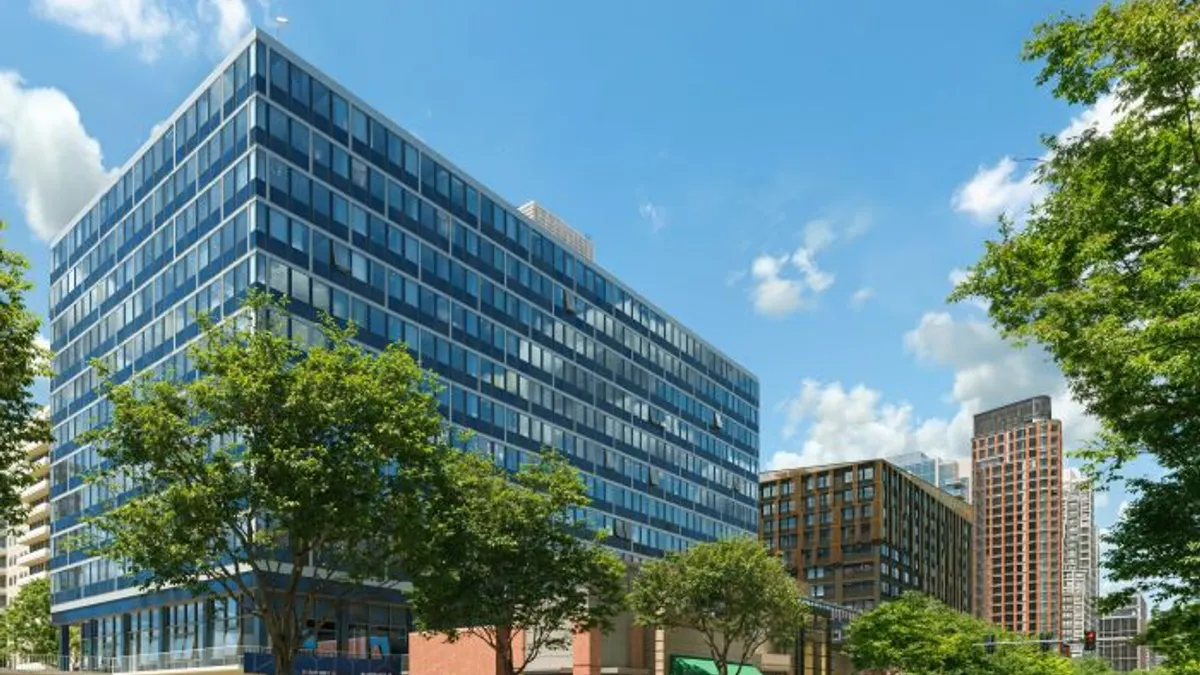
1. Adaptive reuse is the new standard
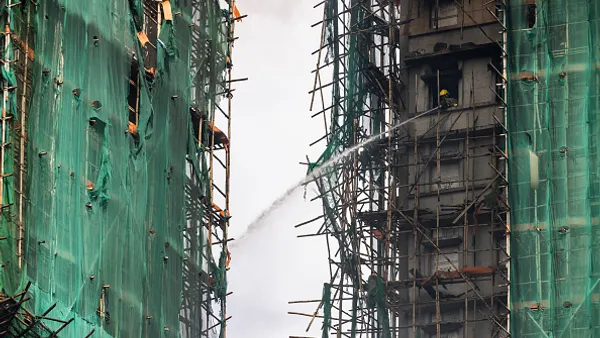
Adaptive reuse has matured from exception to expectation, according to Gensler. Indeed, apartment conversion projects “accelerated at an unprecedented pace” across the U.S. in 2024, according to a 2025 RentCafe report, up 50% compared to 2023 and double the amount of such conversions in 2022.
“Total new builds will become increasingly difficult to justify. Many projects will be ‘part new build, part retained,’” said Gensler Building Transformation Leader Harry Cliffe-Roberts in the report.
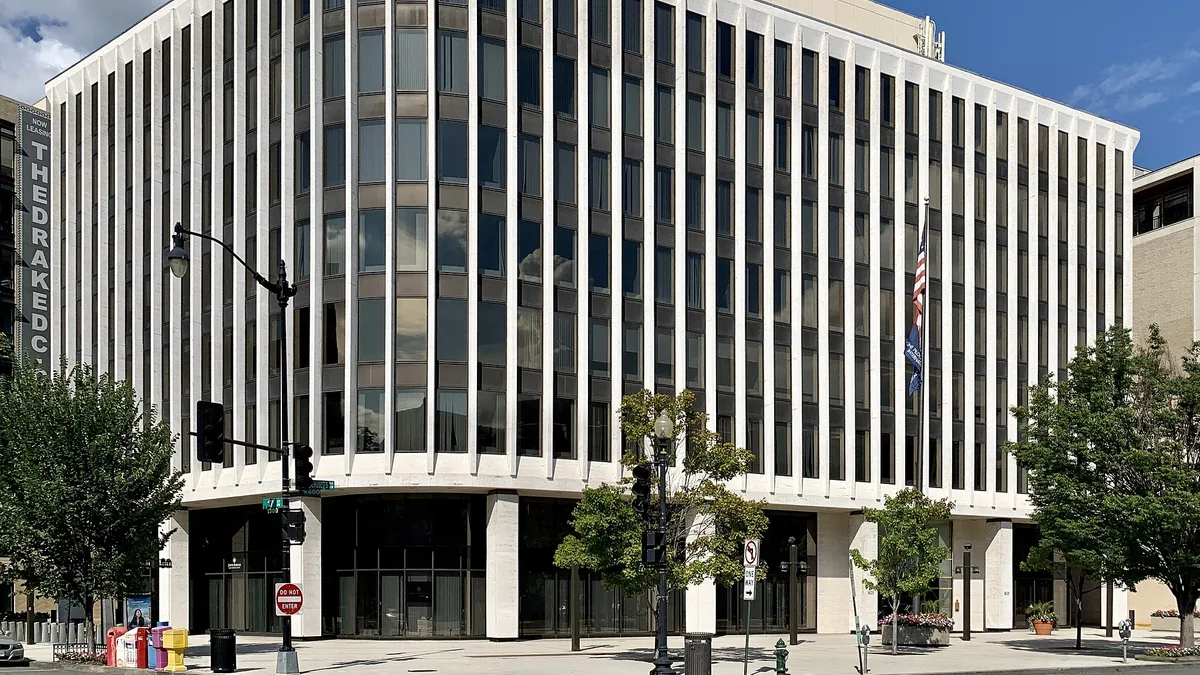
Cities like Washington, D.C., and New York City are updating zoning and building codes and offering incentives to facilitate conversions, according to the Urban Land Institute, and some localities have launched dedicated teams to speed up reviews and approvals.
“With aging portfolios and stricter carbon regulations worldwide, design is moving from one-off conversions to systemic strategies that treat buildings as adaptable and long-term assets,” according to Gensler. In particular, “converting single-use buildings into mixed-use spaces builds long-term strength.”
2. Experience, local connection bring value to real estate
Mixed-use districts draw people because of the emotions they inspire and the stories they tell, according to Gensler’s report.
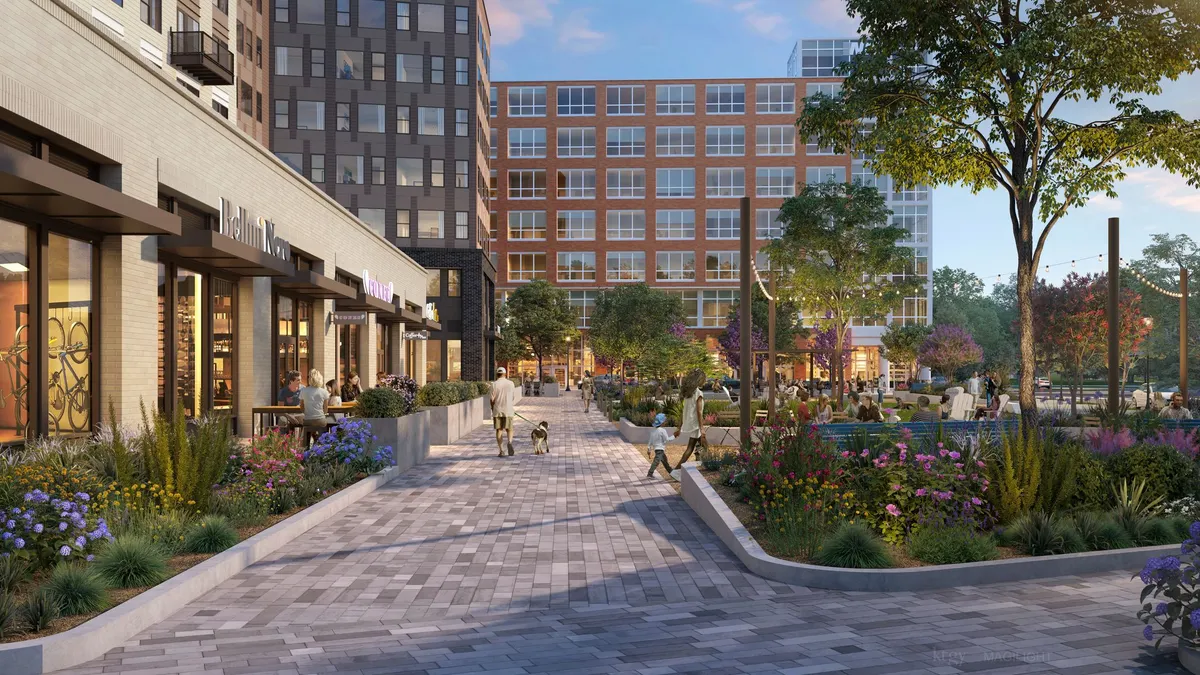
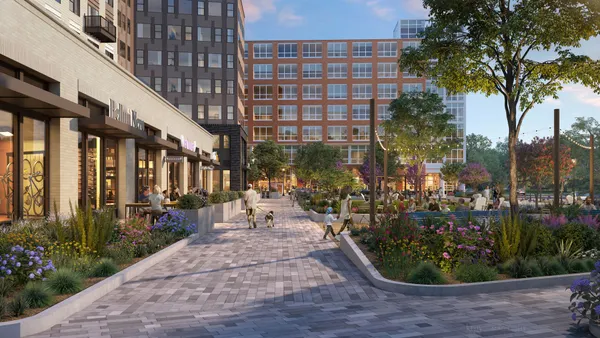
At a time when “mixed use” is everywhere, the projects that stand out are those that feel deeply rooted in place. It’s no longer about simply adding density with a mix of buildings; rather, it’s about creating experiences that enrich life between them.
“Vibrant plazas and walkable streets inspire awe, joy, and connection, turning everyday environments into destinations people remember,” per the report. “Developers who localize their design, experience, and cultural references create magnetic environments that people actually care about.”
In the experience economy, wellness is the new luxury, according to Gensler, and “amenities programs that combine physical offerings with wellness-focused programming define a new class of living.”
3. AI and building tech offer insights
The rapid expansion of design intelligence is driving a new era of placemaking and design, according to the report. New artificial intelligence tools are helping pros create spaces around the ways people actually use them. The tools can also help designers and builders anticipate disruptions and quickly pivot as needed, keeping projects on schedule.
“We’re proactively developing tools that help us see hidden patterns in people’s journeys through space, then prototype and adapt designs at unprecedented speed,” according to Gensler. “The future is a harmonious blend of digital and physical, where connected journeys and immersive design create seamless, adaptive experiences.”
4. Climate-readiness is a must
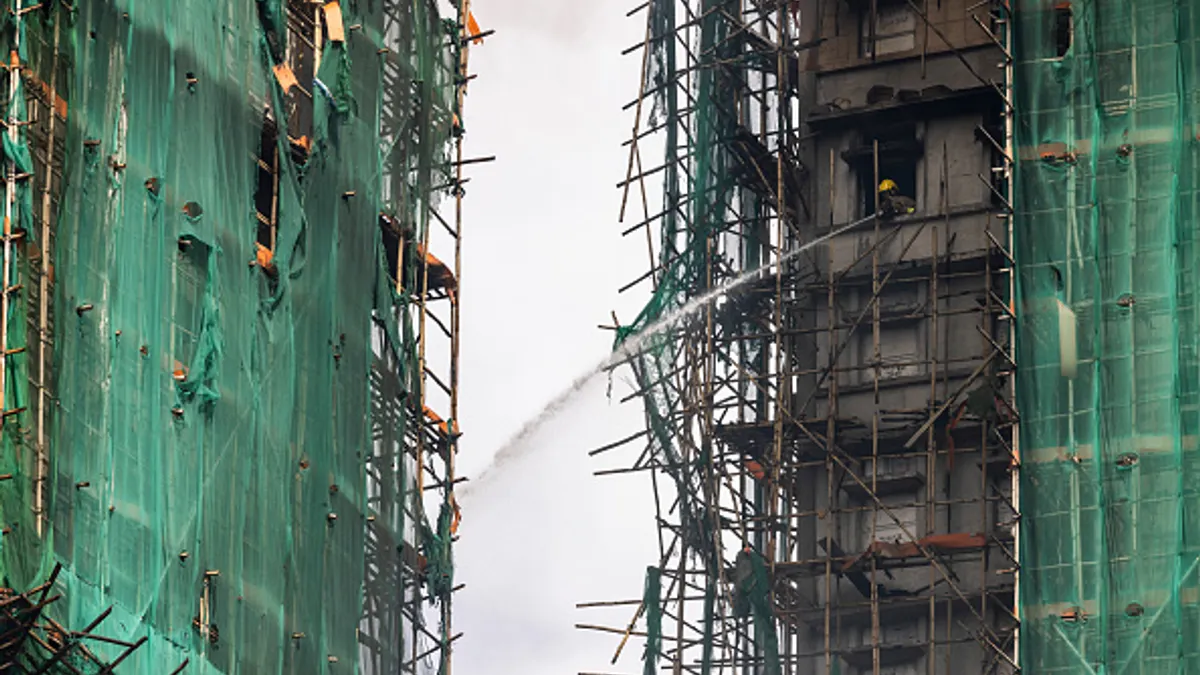
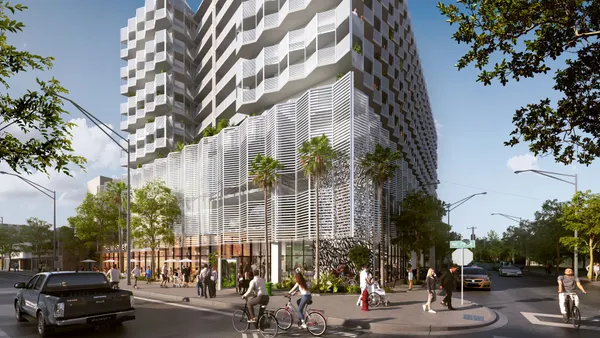
As weather patterns only grow more extreme and unpredictable, building design must account for this new normal, according to Gensler.
“Extreme weather is only increasing in impact and speed, which means the urban real estate of the future must be flexible, durable, and regenerative, or risk becoming a liability,” per the report. “Combined with evolving regulations and rising investor and public expectations, this new reality is driving building owners and developers to harden their investments.”
The sustainability consultancy sector is responding with multidisciplinary approaches that combine climate science and data analytics with AI-enabled smart infrastructure tools to deliver and measure resilient and regenerative solutions, according to Gensler.
Click here to sign up to receive multifamily and apartment news like this article in your inbox every weekday.