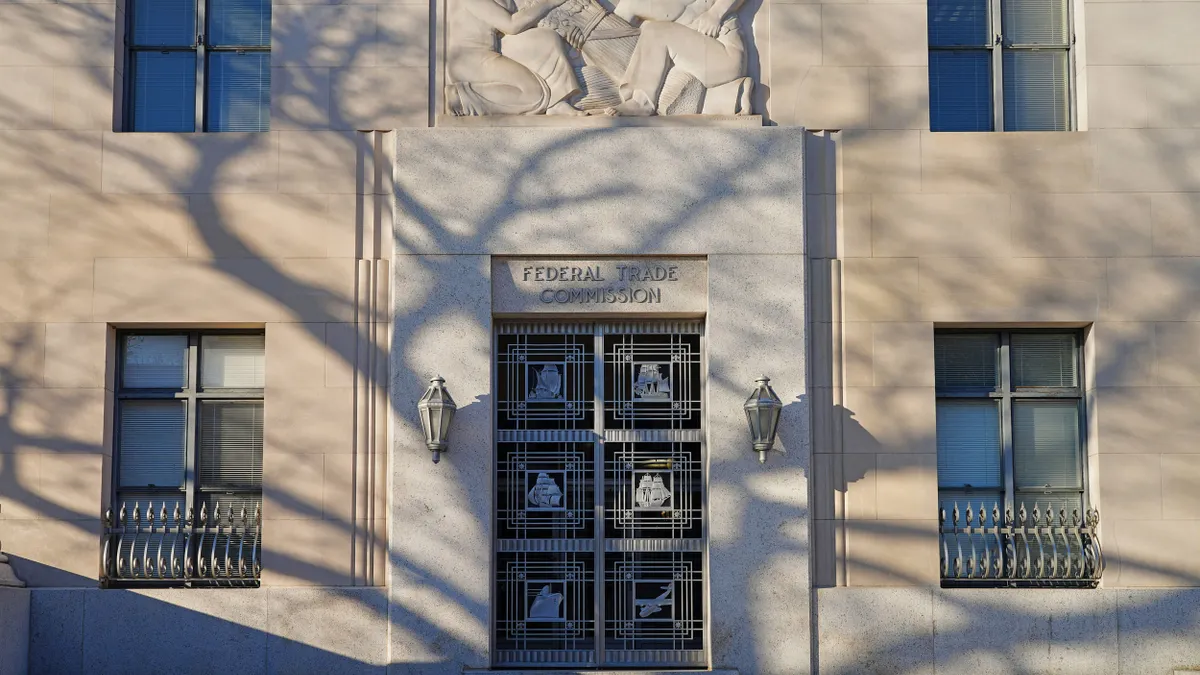
The Federal Trade Commission released advice Monday to the apartment advertising industry in the wake of its recent $23 million settlement with Greystar and warned it is examining the rental housing market for harmful practices.
The agency alleges that Greystar, the country’s largest landlord, misled consumers about monthly rent costs by adding hidden fees to advertised prices, and renters sometimes paid hundreds of dollars more than they expected each month for undisclosed, mandatory services like package delivery, trash pick-up and technology packages.
“More than a third of Americans rent their homes. They should be able to see what their monthly costs will be up front so they can properly plan and budget for their families,” Bureau of Consumer Protection staff wrote in a Dec. 8 blog post.
The FTC offered the following guidelines for property managers and owners, property management software providers and others who advertise rental properties:
- Advertising a price that excludes mandatory charges is a violation of the law, so advertise the total cost of renting your unit up front. Consumers shouldn’t have to wait until they sign a lease or get their first month’s bill to learn what it will actually cost to live in a rental.
- Do a thorough compliance check. Review websites and advertisements to confirm they honestly advertise a rental’s price, including any mandatory fees at the property. Work with third-party vendors to make sure they’re accurately advertising the rental price on all their platforms.
- Know that the FTC is reviewing harmful practices in the rental housing market and will not hesitate to take action against landlords taking advantage of Americans’ housing needs by hiding mandatory fees.
FTC Chairman Andrew Ferguson said on Dec. 2 that the Trump administration views predatory conduct by rental and leasing firms with “especial suspicion” and said he directed staff “to begin the process of proposing a rule to address unfair or deceptive fees in rental housing.”
For their part, some members of the industry say they welcome the clarity that the agreement provides.
Charleston, South Carolina-based Greystar said in a Dec. 2 press release that the settlement “provides much-needed clarity on the FTC’s expectations for advertising rental housing,” namely, that listings clearly and conspicuously display the Total Monthly Leasing Price, including base rent and all mandatory fees.
Consumers who saw an advertisement for a Greystar apartment often had no way of learning about hidden fees until after they had reached the application portal or filled out an inquiry form with their personal information, per the FTC’s complaint.
The FTC also alleges that in some cases, Greystar revealed the charges only after renters had paid an application fee or holding deposit, and that this information was sometimes located deep into a 40- to 60-page lease document. It also wouldn’t refund the money the consumer had already paid if they chose not to sign the lease.
According to the settlement, joined by the State of Colorado and worth $24 million total, Greystar is now prohibited from requiring tenants to make an initial payment without disclosing all pricing information up front, and it must comply with reporting and record-keeping requirements.
Click here to sign up to receive multifamily and apartment news like this article in your inbox every weekday.