Dive Brief:
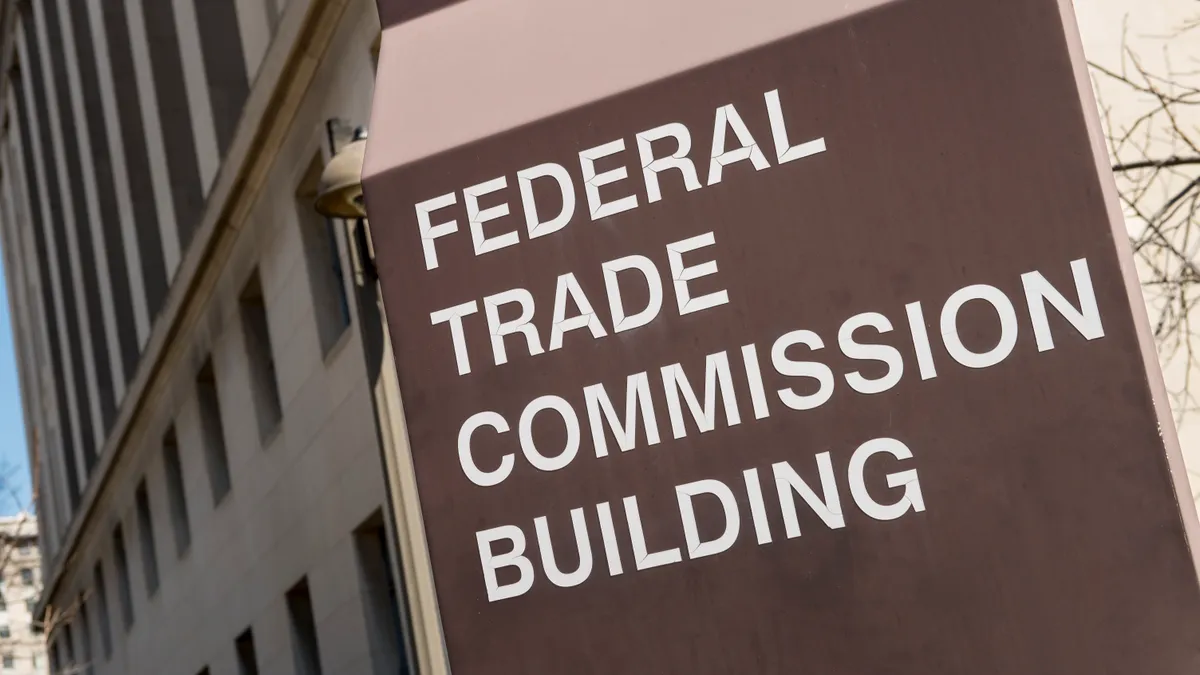
- The Federal Trade Commission is seeking public input on a potential rule to “address unfair or deceptive acts or practices relating to advertised rent and other fees and charges in the rental housing industry,” per a March 12 Advance Notice of Proposed Rulemaking.
- The FTC is focused on the discrepancy between advertised rent and the total amounts renters actually pay once mandatory fees and charges are added. It says a rule on these practices would allow the agency to seek civil penalties against violators and more easily obtain redress for harmed consumers.
- The agency is looking for data, evidence, analyses and arguments regarding rental housing fees and charges throughout a lease lifecycle, from application to moveout. Comments must be received by April 13. The call for input follows other efforts from the FTC to crack down on undisclosed fees.
Dive Insight:
In September 2024, the FTC announced a $48 million settlement with Dallas-based Invitation Homes “for an array of unlawful actions against consumers, including deceiving renters about lease costs [and] charging undisclosed junk fees.”
Following a $23 million settlement with Charleston, South Carolina-based Greystar in December 2025, the FTC told the apartment advertising industry that it was examining the rental housing market for harmful practices. The agency alleges that Greystar, the country’s largest landlord, misled consumers about monthly rent costs by adding hidden fees to advertised prices.
“More than a third of Americans rent their homes. They should be able to see what their monthly costs will be up front so they can properly plan and budget for their families,” the FTC’s Bureau of Consumer Protection staff wrote in a Dec. 8 blog post.
That same month, the FTC sent letters to 13 U.S. property management software providers, warning them that they may be violating the law if they inhibit rental property managers and owners from conveying accurate pricing when marketing rental housing.
Now, the agency seeks public comment to determine the need for a rule to prevent unfair or deceptive practices “such as advertising rent that fails to include all mandatory fees or charges, imposing fees and charges without express informed consent, and misleading consumers about the nature and purpose of fees or charges.”
Rental pricing practices that are neither clear nor transparent undermine competition and harm consumers, Christopher Mufarrige, director of the FTC’s Bureau of Consumer Protection, said in the release. “The Trump-Vance FTC is focused on addressing unlawful business conduct that obscures the actual cost of housing and undermines price competition,” he said.
Consumers seek rental housing that is within their budget, the FTC said in its proposed rule, and the failure to advertise the true total rent and to clearly and conspicuously disclose fees “impairs consumers' ability to comparison shop for rental housing and to make informed financial decisions, increasing search costs.” It may also weaken the incentives of rental housing providers that do advertise the true total rent.
The proposed rule is a strong signal that the FTC is preparing to move from case‑by‑case enforcement toward a comprehensive federal framework for rental fee transparency, according to a March 16 blog post from law firm Troutman Pepper Locke.
“A likely direction is a ‘total price’ standard in which the most prominent price reflects all mandatory costs to rent a unit, paired with clearer, earlier, and more consolidated disclosure of fee types, purposes, and refundability,” according to the firm.
“The [Advance Notice of Proposed Rulemaking’s] focus on property management software and online platforms indicates that technology providers, not just landlords, will be expected to adapt to support these disclosures.”
Correction: This story has been updated to define the potential action the FTC is considering.
Click here to sign up to receive multifamily and apartment news like this article in your inbox every weekday.