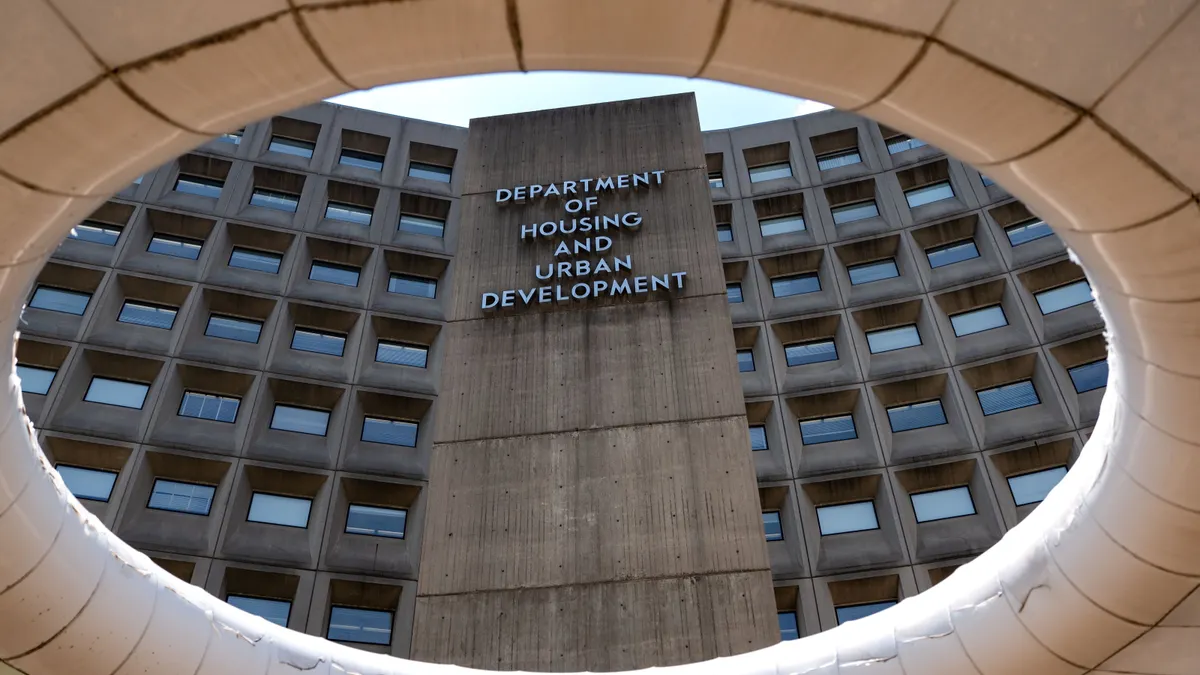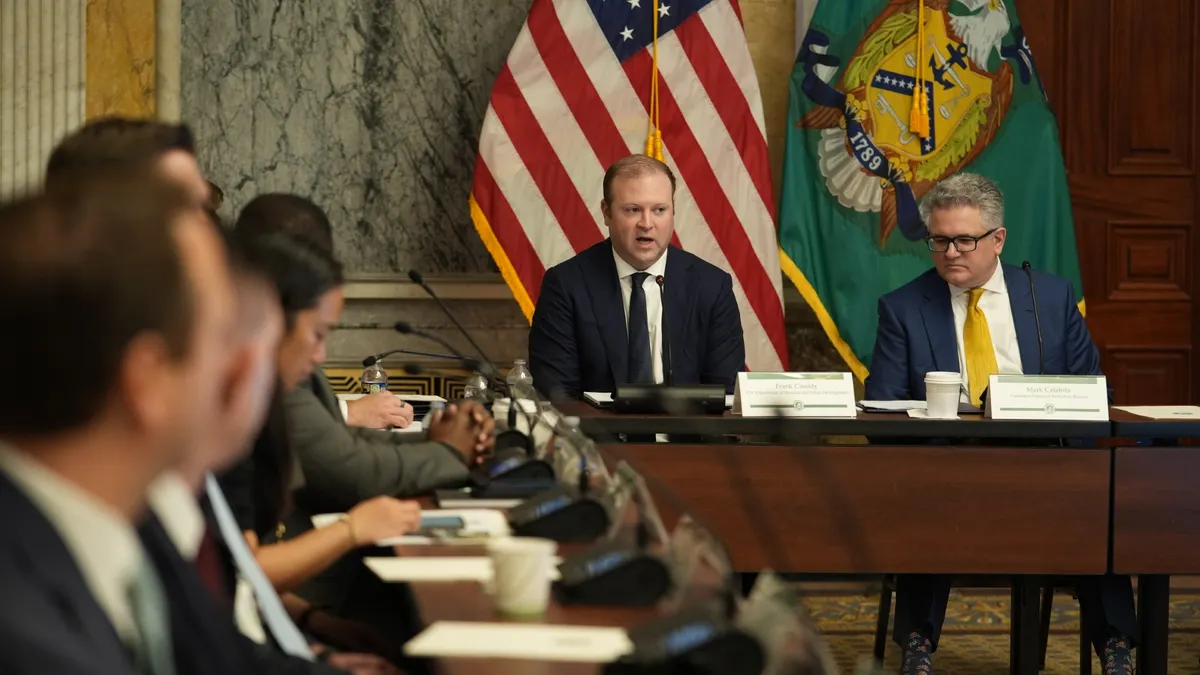
At the beginning of June, longtime commercial banking origination pro Frank Cassidy stepped down as FHA commissioner and assistant secretary for housing at HUD. Now he’s headed back to the private sector after helping enact what he called “generational change” with the agency’s multifamily loan programs.
Cassidy joined HUD in April 2025 and was confirmed by the Senate in December 2025, and quickly worked to advance multifamily priorities. He led HUD’s Office of Housing, which oversees the FHA's single-family, multifamily and healthcare mortgage insurance programs.
“Typically, this position goes to somebody from the single-family world,” Cassidy said. “FHA is a $2 trillion mortgage portfolio, and 90% or so is single-family, representing one out of five mortgages in the country. So, multifamily and healthcare is often overlooked, but that was the area I came from, and that's where I knew we could create efficiencies.”
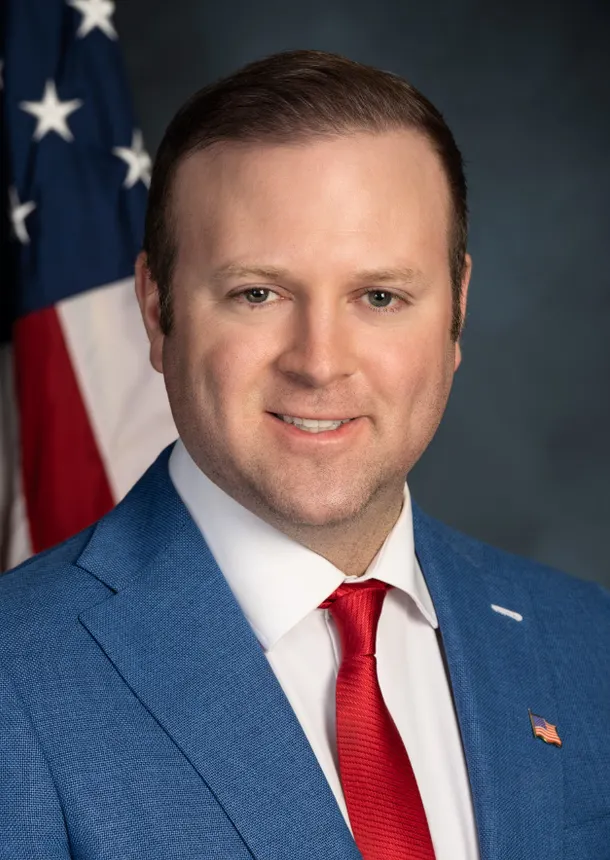
Cassidy has been in multifamily finance his whole career. In college, he got hooked up with financial firm Oppenheimer & Co., which owned a smaller FHA/HUD lender focused on multifamily, senior housing and healthcare transactions. There, he called owners across the country with existing FHA-insured multifamily loans to pitch them on refinancing their assets.
“I talked my boss into hiring me as an originator day one out of college. Usually to be an originator, it takes five to 10 years of being an underwriter or analyst, learning the business. I spent the first couple years of my career just cold-calling, used to call it ‘dialing for dollars,’” Cassidy said.
The firm was sold in 2016 to financial services giant Walker & Dunlop, and that’s where Cassidy was in February 2025 when he got the call from the White House. He had developed some connections with the Trump administration and his inner circle, and said “it was one of those opportunities that probably only comes around once in a lifetime, to be able to serve your country, especially in an area that directly correlates with what you've been doing in the private sector for your entire career.”
Here, Cassidy talks with Multifamily Dive about his time at HUD, ongoing challenges for multifamily and what remains to be done to incentivize housing development.
This interview has been edited for brevity and clarity.
MULTIFAMILY DIVE: What’s the biggest challenge right now for multifamily developers?
FRANK CASSIDY: Right now, I think it's getting deals to pencil. We’re in a high interest rate environment, and that's where I think FHA finances step up. It's a counter-cyclical lending program, so when it's harder to get deals done and less capital is in the market, FHA really needs to step up. We have 35- to 40-year fixed-rate, fully advertising financing at 1.11 debt service coverages, so it's easier to get those deals to pencil.
What are you most proud of during your tenure at FHA and HUD?
The 221(d)(4) program is really the only program the federal government has to actually bring new housing online, so I felt, given the state of the housing crisis, we really needed to step up. The big thing that we did day one was I lowered the multifamily mortgage insurance premiums to 25 basis points across the board. For every FHA-insured multifamily loan, there's something called the MIP or mortgage insurance premium; it's part of the interest rate that goes to pay FHA for guaranteeing the loan.
Prior to me making this change, we had about half a dozen to a dozen different categories, depending on your property type: if it was affordable, broadly affordable, market-rate or green energy. Under the Biden administration, they put a policy in place that essentially said, if your building is a green-energy building, you can get the 25-basis-points MIP, which is the minimum.
So all these developers were having to pay a third-party environmental group to come in and get their building certified, and it was hundreds of thousands of dollars in cost. It was significant bureaucratic red tape, and the reality was, all these buildings were already meeting those standards anyway. I was very excited to be able to go from a young college kid originating these loans to the FHA commissioner running an entire program, making these massive changes.
Other multifamily policy changes you want to highlight?
Another thing that we did on the multifamily side before I left was we removed the environmental requirements to make it easier to develop more housing. We put out a mortgagee letter. There were certain deals that were too close to railroads, or they had pressured pipelines, or they were near high-voltage power lines and fall hazards or they were too close to a train station. So we removed a lot of those restrictions and made it a lot easier and more efficient.
What were some of the shifts you saw at HUD during your time?
The demand for FHA multifamily loans has been huge, and a lot of it is because of these policy changes that I have implemented. The FHA and HUD used to be seen as very hard to get deals done with, and you know, they want to say no. So what I always told the career staff is, ‘Listen, let's find ways to responsibly say yes to a deal if there's a challenge, let's figure out how to mitigate that risk, so the deal can get done.’ A lot of feedback I got from lenders was that we've really changed the entire culture amongst the career staff within HUD.
What are some changes you’d still like to see?
These deals should not take six to 12 months to get done. Under my leadership we were able to cut it down to three to six months, but we need to prioritize speed and efficiency in terms of underwriting and closing. We need to let our lenders do more, and we need to delegate more to our lenders, and we ultimately need to move more towards a Delegated Underwriting and Servicing model like Fannie Mae has, where lenders do all the underwriting, they make the price decisions, but they hold some of the loss if the deal goes bad. I was looking at a model like that, but unfortunately, we just ran out of time.
Thoughts on the 21st Century ROAD to Housing Act?
That's a great piece of bipartisan legislation, and it will be the biggest piece of housing legislation to ever pass Congress, and it will happen under President Trump's watch. It will really streamline and deregulate a lot of the issues that developers have when they're building new housing. I know the bill is still being negotiated between the House and Senate, but I'm very optimistic that it will pass.
What else needs to happen to address the housing crisis?
Basically, you can't regulate your way out of a housing crisis; you can only build your way out of it. What I see is government overreach and policies that have hindered the development of new housing. I think we need to pull that back, and the role of the federal government is to support the private sector in achieving those objectives.
The housing crisis is not just a demand problem; it's a red tape problem. You really can't subsidize your way out of the housing shortage. You have to build your way out of it by lowering red tape and lowering mortgage costs, and making it easier and more streamlined to bring new housing online. It's a complicated issue, but ultimately we need to prioritize supply-side initiatives.
Click here to sign up to receive multifamily and apartment news like this article in your inbox every weekday.