
Bulk removal is one of the most predictable expenses at a multifamily community. Many portfolios still pay for it like a surprise.
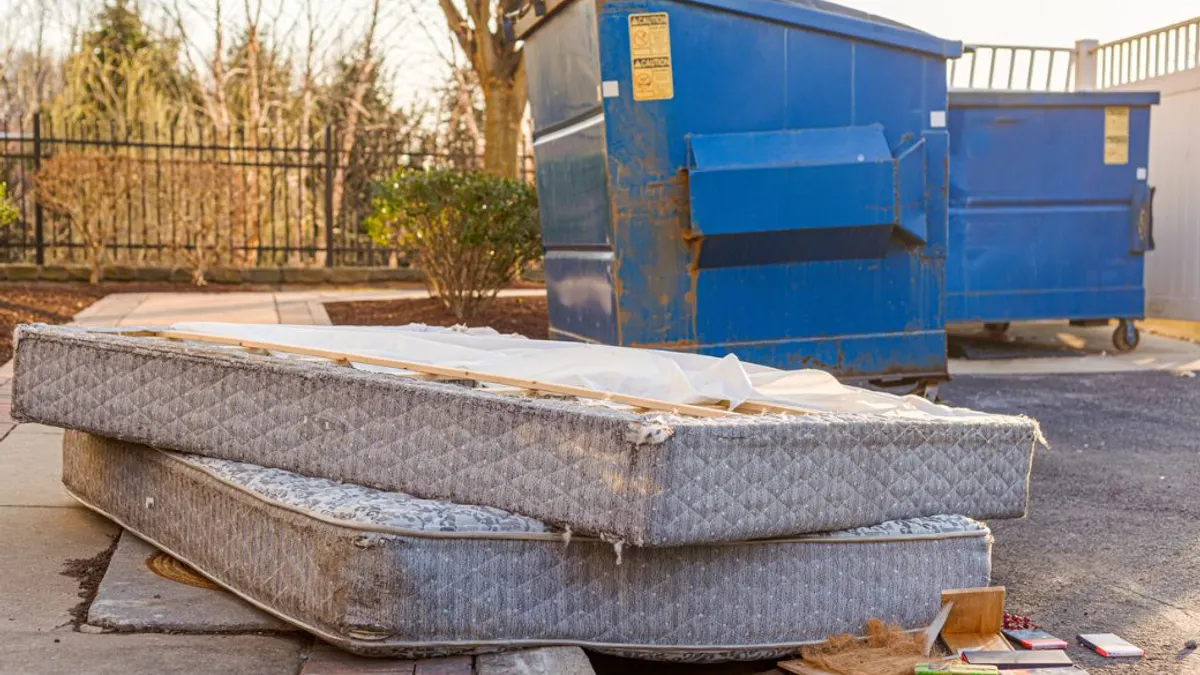
A couch shows up by the dumpster after a move-out. Next week it's a mattress, then a broken dresser and an old TV. Bulk trash isn't occasional. It's a steady part of operations.
Yet bulk removal is often handled one pickup at a time. Someone calls a hauler, waits on a quote, approves it, and waits again for the truck. Because each pickup is ordered on demand, the spend often lands outside the operating budget and out of budget reviews, even when it recurs monthly.
The cost doesn't disappear. It shows up elsewhere. Here are four places to look.
1. Curb Appeal and First Impressions
The dumpster area is often one of the first things a prospect passes on a tour. When bulk items sit for days waiting on a pickup, that area starts to say something about how the community is run.
Accumulated bulk also attracts more of it. A sofa by the enclosure suggests it's fine to leave furniture there, and a one-time pile can become a regular dumping spot. For executives, this is often what stands out on a property walk.
2. Dumpster Overage Fees
Bulk items take up a lot of space for their weight. A box spring or a few pieces of furniture can fill much of a container with what's mostly air. When dumpsters fill early, communities may pay for extra pickups or overage charges.
Well-meaning workarounds can make the problem worse. Breaking furniture down to fit it in the dumpster still uses capacity meant for household trash. These fees are spread across invoices and communities, so they're easy to miss.
3. Maintenance Hours
Without a plan for bulk, it usually becomes the maintenance team's job by default. Moving furniture, breaking items down, and coordinating haulers are small tasks, but they add up. Together, they pull time away from work orders, unit turns, and preventive maintenance.
That tradeoff matters most when move-outs peak and turn volume rises with bulk. Hours spent hauling a sofa aren't spent readying a unit to lease.
4. Risk From Improper Disposal
When bulk is handled ad hoc, two questions often go unasked: who is hauling it, and where does it end up? A landscaper with an open trailer, a hauler found on short notice, or a staff member with a pickup truck can all clear the immediate problem.
But not every option is licensed or insured for the work, and not every load reaches an approved disposal site. If something goes wrong, it can become the community's problem.
The Common Thread: Resident Experience
Each of these costs reaches residents. Cluttered trash areas, slower work orders, and inconsistent service often show up in resident surveys and NPS comments.
What a Planned Approach Looks Like
Treating bulk as a recurring operating expense changes how you manage it. Operators can:
- Schedule pickups on a set cadence. Weekly works for most communities, and larger ones may need more.
- Budget a consistent cost. A known monthly number replaces a string of one-off approvals.
- Set one standard across the portfolio. Performance becomes easier to compare.
- Use licensed, insured providers. Know who is hauling items and where they go.
- Ask for documentation. Pickup reports with before-and-after photos give leadership visibility without a site visit.
What This Looks Like in Practice
One large NMHC owner group faced this across more than 20 Florida communities. Its properties relied on a mix of junk haulers, appliance recyclers, and municipal services, with pickups ranging from three times a week to once a month. Costs were hard to predict, leaders saw bulk during walk-throughs, and resident surveys flagged trash.
After moving to scheduled, recurring bulk removal with a single provider, the group saw fewer NPS complaints mentioning trash. Maintenance staff reported being happier, and the change produced net savings.Read the full case study.
Questions Worth Asking
A few questions for leaders reviewing their own portfolio:
- Where does bulk removal appear in our budgets, if at all?
- How many different haulers are our communities using?
- Who handles bulk at each community when no one else does?
- Do we know where those items end up?
Bulk trash isn't going away. The real choice is whether it's managed as a planned part of operations or paid for one surprise at a time.