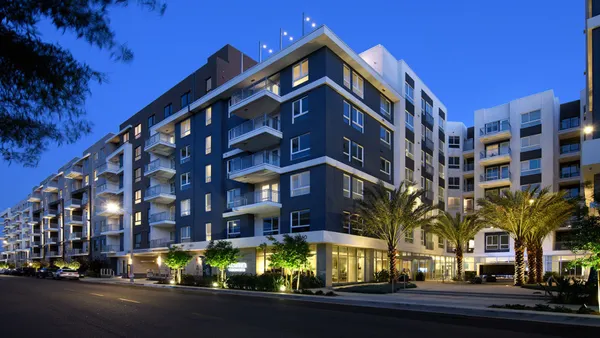
Before stepping into the management role at San Francisco’s sprawling 152-acre Parkmerced apartment complex, Greg MacDonald knew the turnaround would be challenging at the 3,000-plus-unit property: According to a San Francisco Standard report from November, residents reported mold, leaking ceilings, chronically broken elevators, overflowing trash cans and a prostitution ring.
The property had been neglected for years when it entered service in March 2025.
“There are a lot of units,” said MacDonald, the co-founder and CEO of San Francisco-based Ballast. “There are 20-plus years of deferred maintenance that we're working through. The tenants haven't been treated very well.”
The problems haven't ended since Ballast’s property management company, Brick + Timber, took over. In October, an intruder broke into a resident’s apartment, stealing multiple technology devices, jewelry and credit cards, according to The San Francisco Standard.
Douglas Wilson Cos., the special servicer that took control of Parkmerced, has approved expenditures for security cameras and to double security, according to MacDonald.
Even as Brick + Timber continues to work through the long list of issues at Parkmerced, he remains focused on maximizing his San Francisco apartment portfolio and investing in other housing sectors, including single-family rentals, student housing and manufacturing.
Here, MacDonald talks with Multifamily Dive about the challenges at Parkmerced, opportunities in manufactured housing and San Francisco’s rebirth.
This interview has been edited for brevity and clarity.
MULTIFAMILY DIVE: How did you secure management at Parkmerced?
GREG MACDONALD: There was an RFP process. We competed against maybe 10 national firms. Given our experience with institutional investors, we bought a debt pool in 2023 and experienced that turnaround. We won the mandate, which was great because we competed against some of the major players. But I think just our local knowledge and expertise put us over the top.
What does victory look like with a project like Parkmerced?
It's a large mandate for us. We think it's an amazing property. There's a lot of work to do. Right now, we're really just focused on the day-to-day. I'm almost breaking it up into six-month increments.
For the next six months, the goal is to get the right people involved and make sure we have the systems in place. In fact, we have a call today about trying to tweak our system so that it better fits Parkmerced.
What other growth areas do you see in housing?
One of our biggest areas of growth is manufactured housing. I started to study that sector closely, coming out of the Global Financial Crisis, and pricing in that sector ran up. So we weren't buying for about five to six years. It was just too expensive.
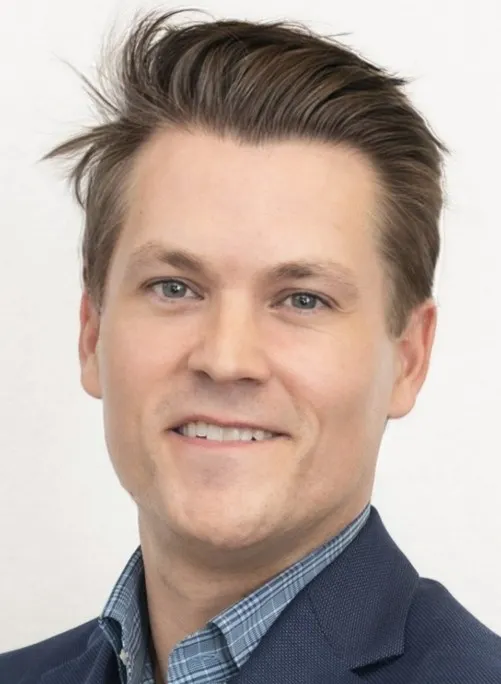
But when interest rates went up in 2022, we saw an opportunity to get into the sector. I think it's a great sector. It's really hard to find good assets, but I have a strong network and I know a lot of people. I can source a lot of off-market opportunities. It's one of these sectors that's still a little sleepy.
How do you find opportunities?
To really effectively source manufactured housing, you've got to have the network. You’ve got to know the sellers personally. We have one deal in California, and I've been tracking it for five years. The family group is finally looking to sell in the first quarter. You have to be willing to wait for potentially years to buy some of these communities.
You’ve become one of the biggest managers in San Francisco. What is driving the turnaround in the city’s multifamily market?
There are three things. There really is no supply at all in the city. All the development that would have occurred was really choked off because of COVID. The fact that the city had that major lockdown and its reputation took a hit across the country really just choked off supply. So, if you look at the supply picture in the city over the next two to three years, it's really incredibly favorable.
The second thing is that we finally hit 95%-96% occupancy across the city a year ago. That's really when rents rise. There's just no available stock.
The third is return-to-office, though it's still muddled. The whole hybrid thing is alive and well. But a lot of these startups, and I agree with them because we were a startup at one point, need to be in the same room. It's really hard to build anything great virtually. And I think a lot of these tech companies have learned you have to be in the office.
Click here to sign up to receive multifamily and apartment news like this article in your inbox every weekday.